

Committed to Free Virtual Education.
Join us for free virtual education on Monday nights (MNDG) and Wednesday nights (WNDG) from 8 pm - 9 pm ET.
OncoMenopause™ and the OncoMenopause Consortium® and HERmedicine host free discussion sessions every Monday and Wednesday, open to clinicians and survivHERS alike — no membership required.
How to Read This Schedule
This calendar brings together all of our live programming in one place — HERtalks, MNDG, WNDG, and SurvivHERS Talks — so you can find and register for sessions by series, audience, or topic.
MNDG
Weekly women’s health clinician education.

Women's health education for women and clinicians.

WNDG
Multi-disciplinary clinician education spanning oncology, menopause and women’s health.


Education for cancer survivHERS and clinicians.
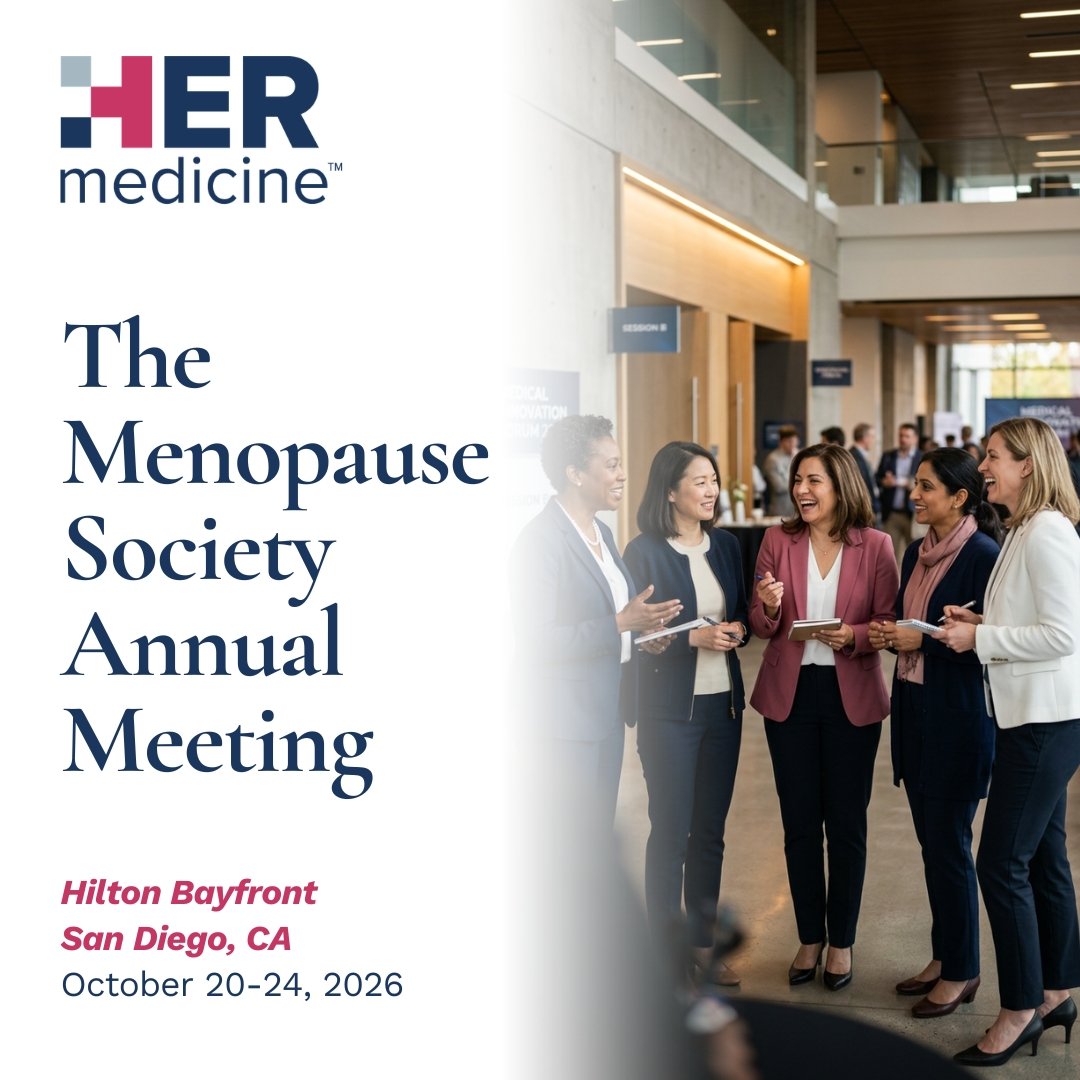
The Menopause Society’s 2026 Annual Meeting Bridging the Gap Between Research and Practice
Registration opened today for The Menopause Society's 2026 Annual Meeting — and if last year is any indication, it won't be available for long. The meeting runs October 20–24 at the Hilton Bayfront in San Diego, themed Bridging the Gap Between Research and Practice, with more than 2,000 healthcare professionals expected to attend.

Orgasm - Lauren Streicher, MD, FACOG, MSCP
Orgasmic function is one of the most under-addressed components of female sexual health in clinical practice, despite being among the concerns women most want their providers to address. Dr. Lauren Streicher, founder of the Center for Menopause and Sexual Health and a clinical professor at Northwestern's Feinberg School of Medicine, reviews the physiology, the impact of menopause and hormonal changes, and treatment options from estrogen and testosterone to emerging therapies. Free MNDG session, October 26.
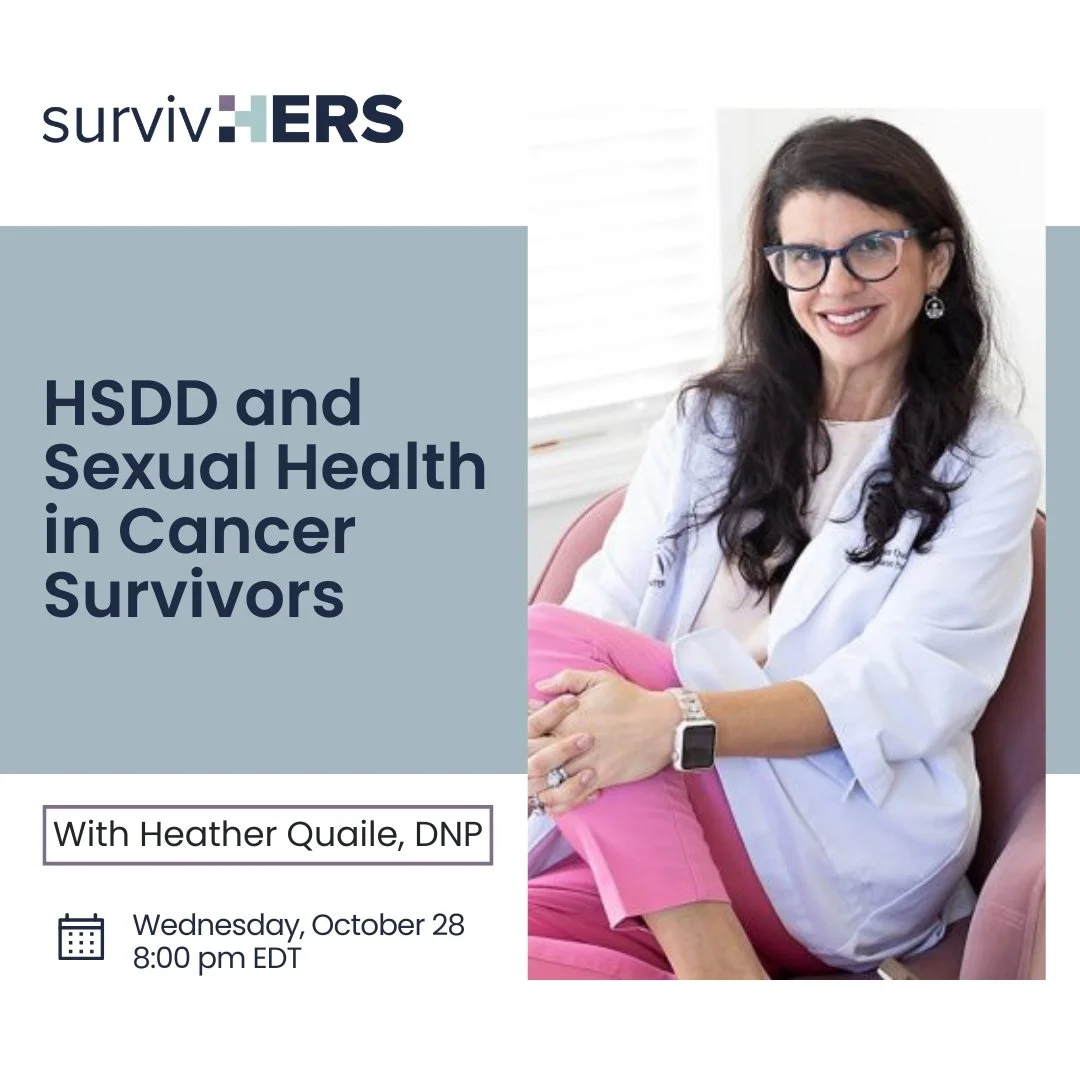
HSDD and Sexual Health in Cancer Survivors - Heather Quaile, DNP
Dr. Heather Quaile addresses HSDD, one of the most underdiagnosed conditions affecting women after cancer — what it is, how treatment contributes to it, and the evidence-based options available to help.
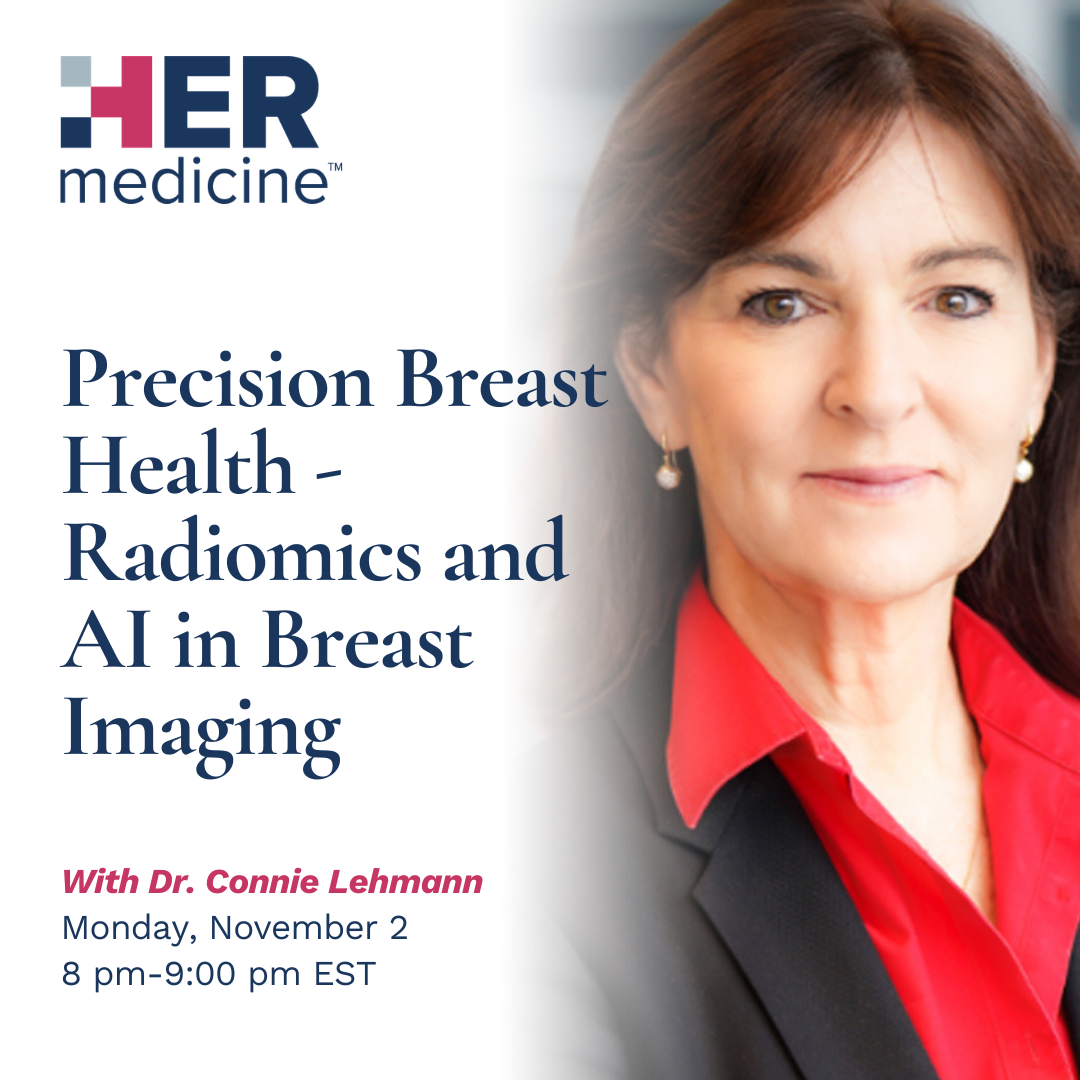
Precision Breast Health - Radiomics and AI in Breast Imaging - Connie Lehman, MD, PhD
The era of one-size-fits-all breast cancer screening is ending, and radiomics and artificial intelligence are driving what comes next. Dr. Connie Lehman, Professor of Radiology at Harvard Medical School and Chief of Breast Imaging at Massachusetts General Hospital, reviews how AI-powered imaging analysis extracts biological signals invisible to the human eye, from deep learning models estimating five-year cancer risk to radiomic biomarkers complementing genomic data. Free MNDG session, November 2.
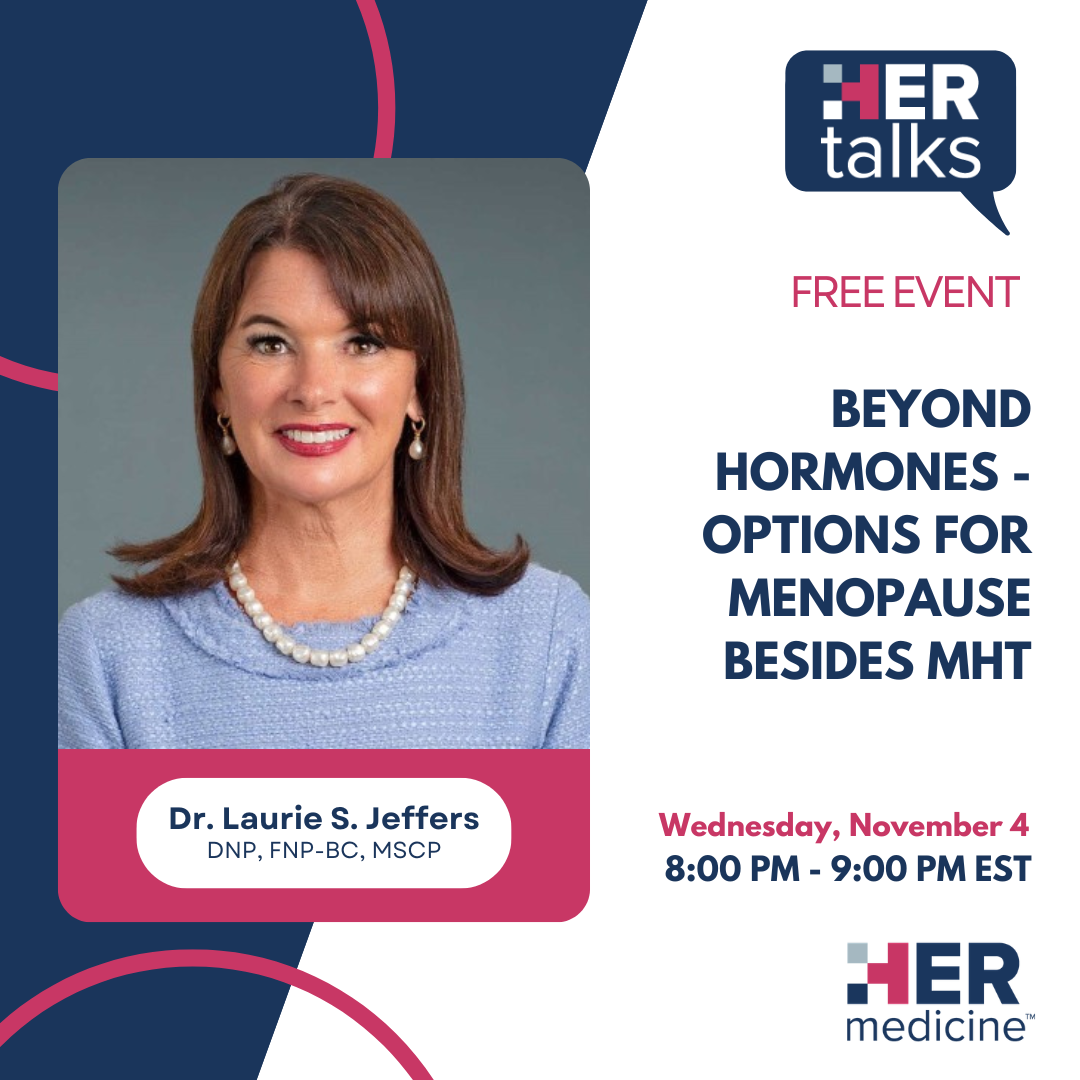
Beyond Hormones - Options for Menopause Besides MHT - Laurie S. Jeffers, DNP, FNP-BC, MSCP
Non-hormonal menopause treatment has moved fast in recent years, and it can be hard to know what's actually available versus what's just headlines. Laurie Jeffers, DNP, FNP-BC, MSCP — cofounder of the Center for Midlife Health and Menopause at NYU Langone and a longtime Menopause Society leader — walks through the newer medication options and nonpharmacologic approaches shaping menopause care today. Join this free HERtalks session on November 4 at 8 PM ET for a clearer picture of what's worth asking your own doctor about.
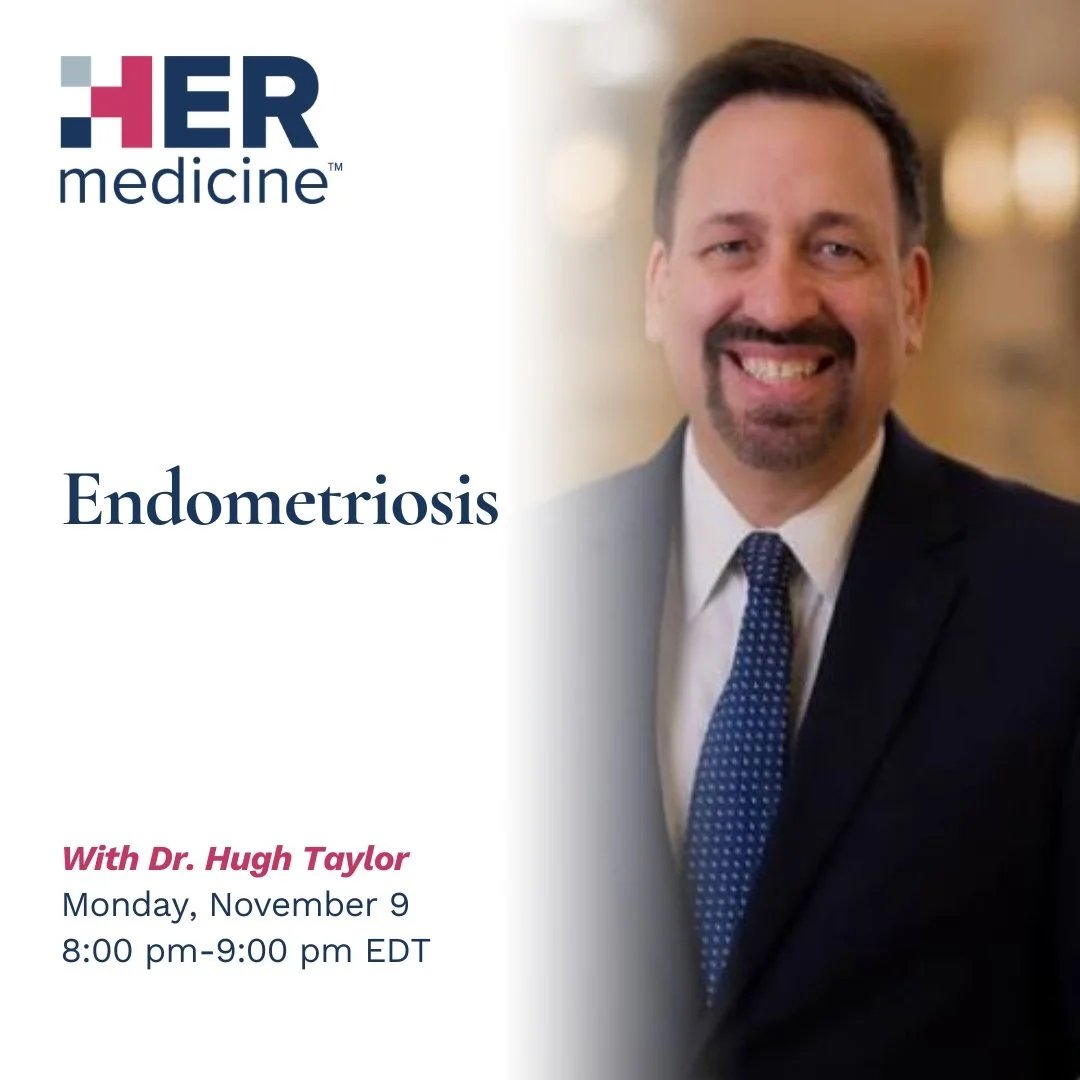
Endometriosis - Hugh Taylor, MD
Women still wait roughly a decade for an endometriosis diagnosis, and much of that delay happens in primary care and general gynecology, where cyclic pain gets normalized visit after visit. Hugh Taylor, MD — Anita O'Keeffe Young Professor and Chair of Obstetrics, Gynecology & Reproductive Sciences at Yale School of Medicine, Chief of Ob/Gyn at Yale New Haven Hospital, and a member of the National Academy of Medicine — joins MNDG to talk through what should raise suspicion earlier, how medical management has changed, where surgery still belongs, and what the work on non-invasive diagnostics and precision treatment is likely to change. Monday, November 9, 8:00–9:00 PM ET.
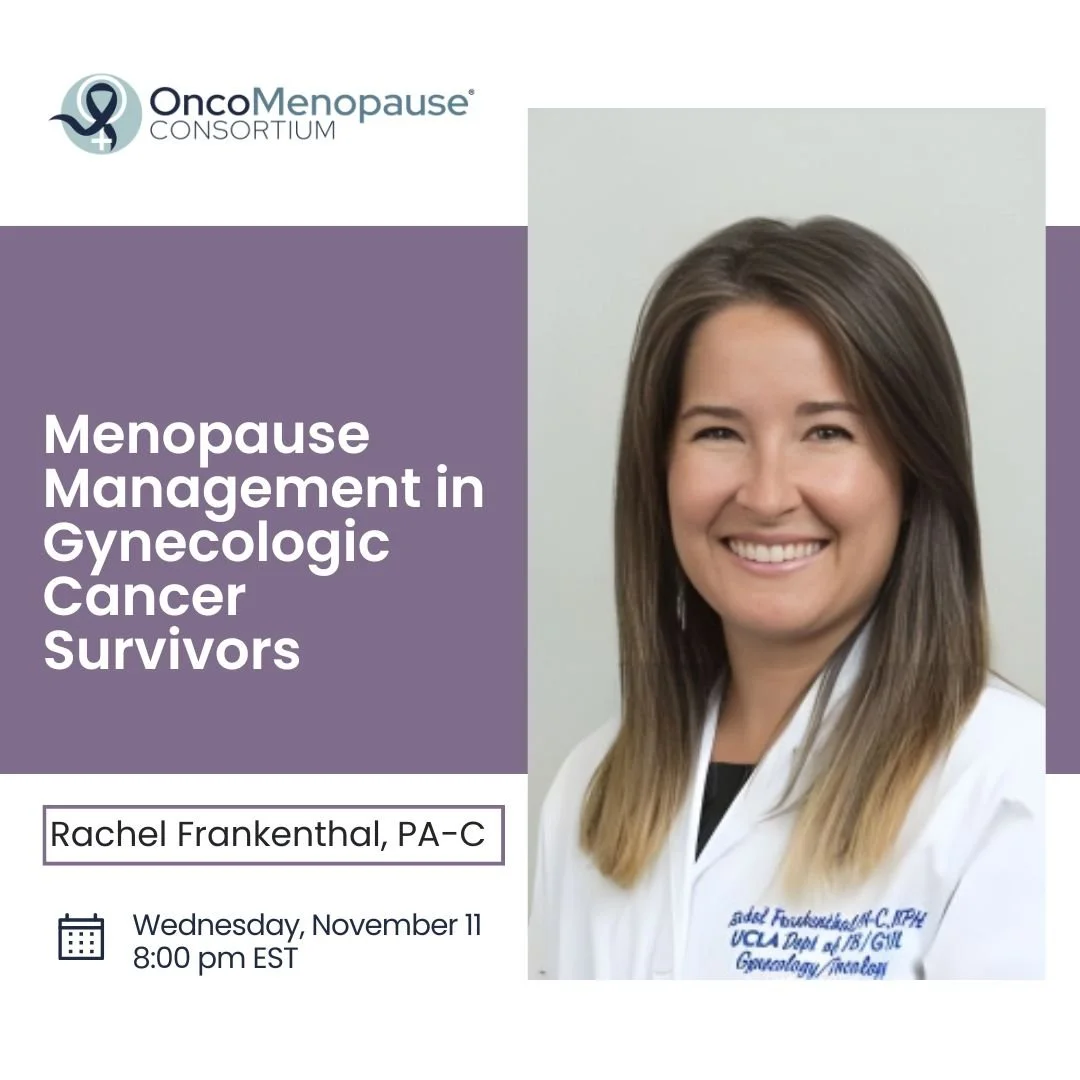
Menopause Management in Gynecologic Cancer Survivors - Rachel Frankenthal, PA-C
An evidence-based review of menopause management strategies for gynecologic cancer survivors, with practical guidance for individualized, survivorship-centered care.

Breast Health and MHT: How to Counsel Women at Elevated Risk - Sabrina Sahni, MD, MSCP
Counseling women at elevated breast cancer risk about menopausal hormone therapy is one of the most clinically nuanced conversations in women's health, and most providers lack a structured framework for it. Dr. Sabrina Sahni, a board-certified family medicine physician and Menopause Society Certified Practitioner specializing in the intersection of menopause and breast health, reviews how to stratify breast cancer risk and interpret MHT safety evidence across categories — including benign breast disease, dense breasts, and BRCA carriers — for individualized, shared decision-making conversations. Free MNDG session, November 16.
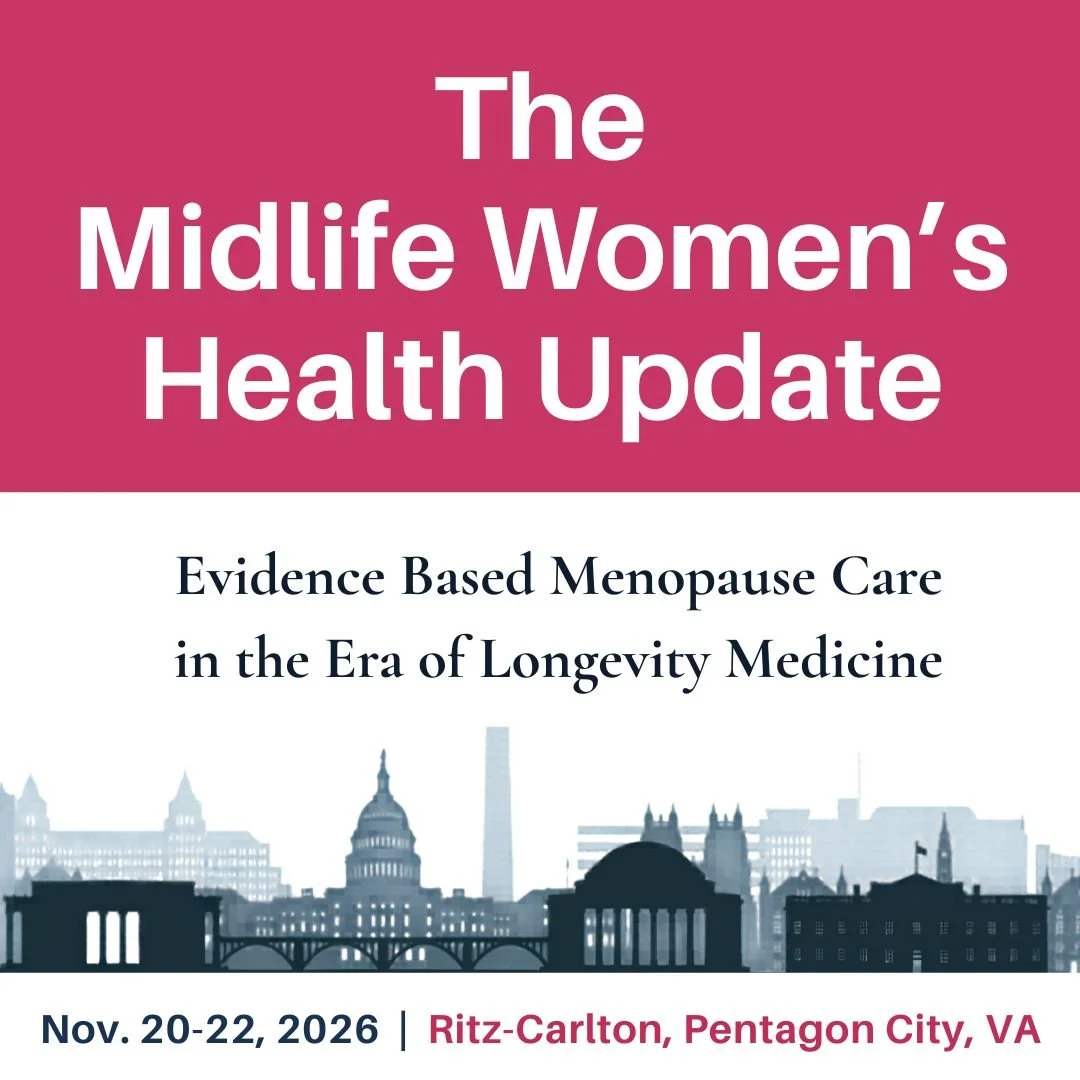
The Midlife Women’s Health Update - Evidence Based Menopause Care in the Era of Longevity Medicine
The Midlife Women's Health Summit: Evidence-Based Menopause Care in the Era of Longevity Medicine brings together expert faculty for a three-day CME conference at The Ritz-Carlton, Pentagon City, VA, November 20–22, 2026. Co-chaired by Lisa Larkin, MD; Jen Gunter, MD; and Lauren Streicher, MD, the summit's case-based sessions apply current evidence to midlife women's care across menopause management, hormonal health, sexual medicine, and longevity medicine. 18 AMA PRA Category 1 Credit(s)™ available, with early bird pricing open for physicians and allied health/APP clinicians.
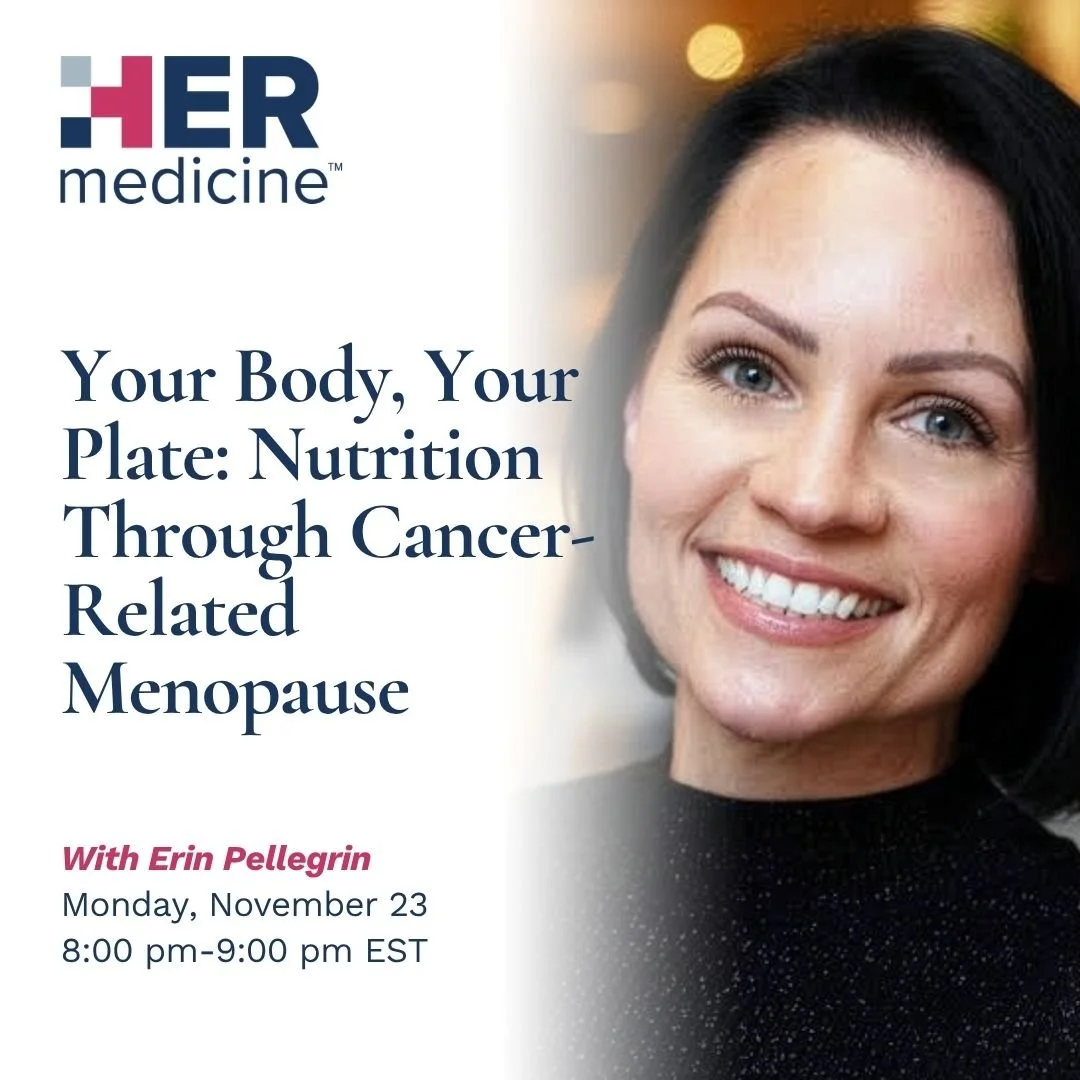
Your Body, Your Plate: Nutrition Through Cancer-Related Menopause - Erin Pellegrin, RD, LDN
Cancer-related menopause differs from natural menopause in onset and physiology, and the nutritional needs that follow differ too. Erin Pellegrin, RD, LDN, Senior Director of Culinary Nutrition and Education at Unite for HER, joins MNDG to present the culinary nutrition framework her team uses to counsel breast and ovarian cancer patients through treatment and survivorship — food-based approaches to common side effects, risk-reduction and cardiometabolic considerations, and where nutrition counseling fits into the broader care plan. She'll close with practical talking points clinicians can use when patients raise diet and weight change during survivorship visits.
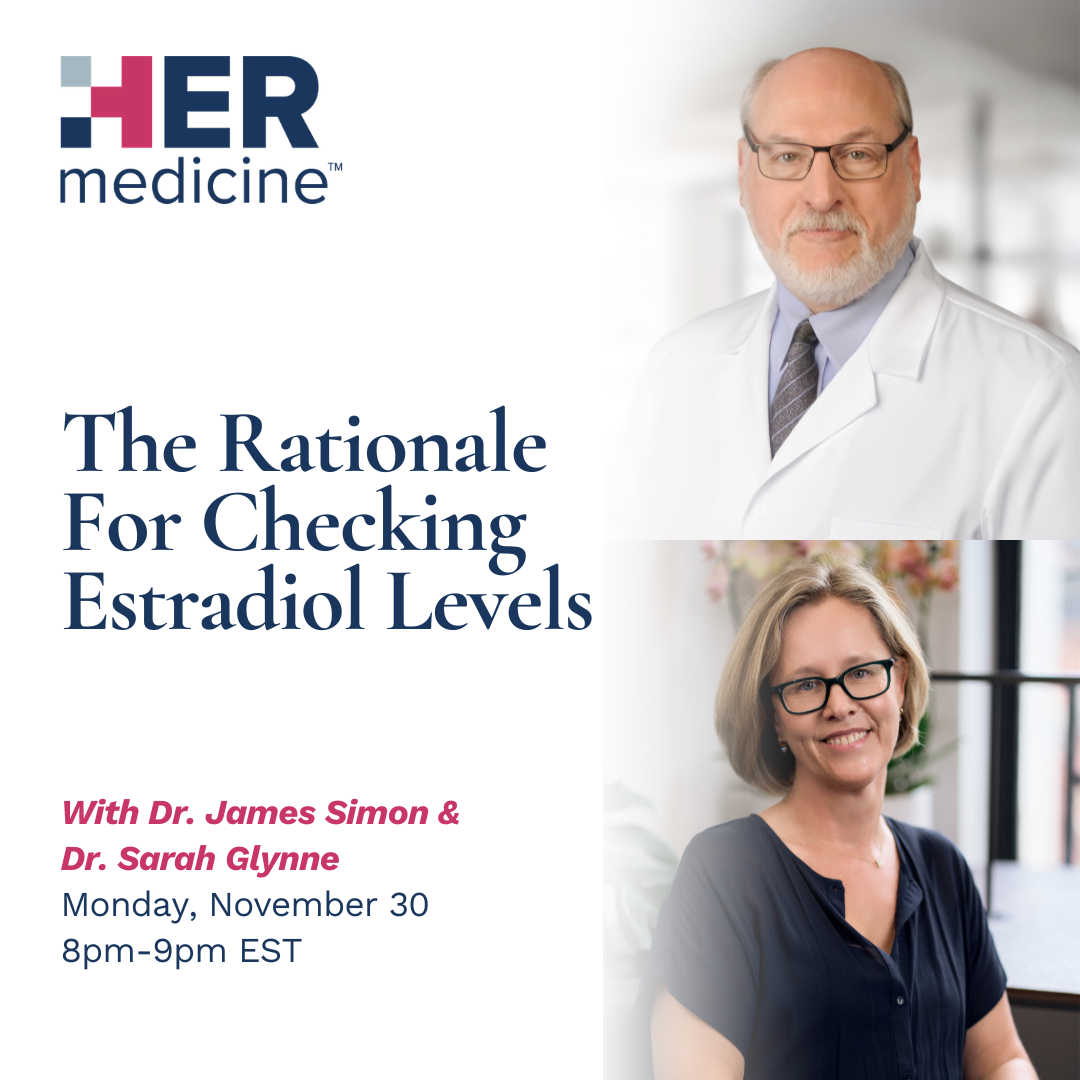
The Rationale For Checking Estradiol Levels - James A. Simon, MD, CCD, MSCP, IF, FACOG & Sarah Glynne, MBBS, MSc, MRCP, MRCGP
Estradiol monitoring in women on menopausal hormone therapy remains one of the more contested and underutilized practices in clinical menopause care. Drs. Sarah Glynne and James Simon build the case for when and why estradiol level assessment matters — from optimizing symptom relief to informing individualized dosing decisions and managing safety in complex patients, including those with a breast cancer history — examining what the data actually supports versus where clinical judgment must fill the gaps. Free MNDG session, November 30.
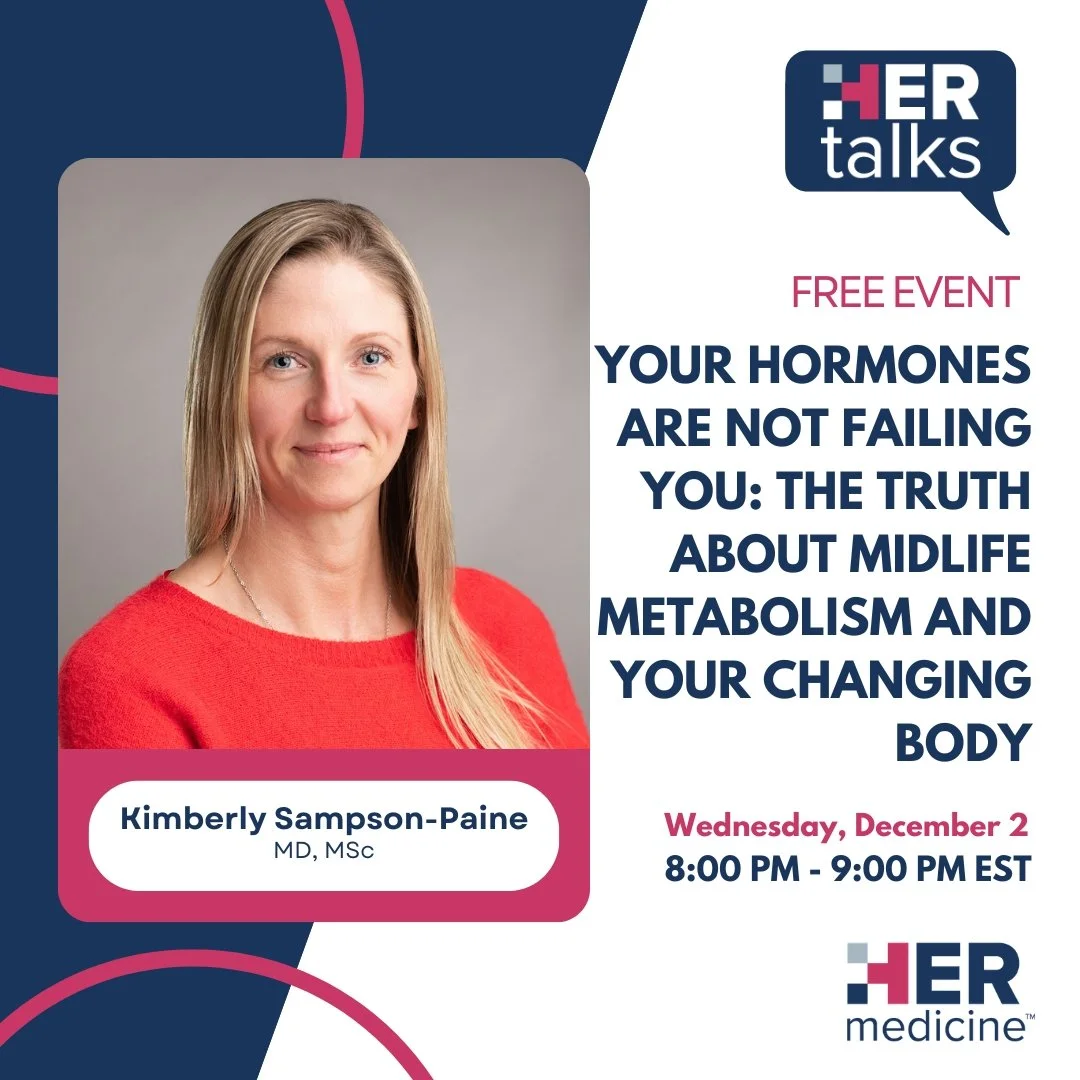
Your Hormones Are Not Failing You: The Truth About Midlife Metabolism and Your Changing Body - Kimberley Sampson-Paine, MD, MSc
Midlife metabolic changes aren't a personal failure, and the old advice to eat less and move more rarely tells the full story. Dr. Kimberley Sampson-Paine — a triple board-certified OB/GYN, obesity medicine specialist, and lifestyle medicine physician at Southwestern Vermont Medical Center — explains what's actually happening with hormones, weight, and insulin sensitivity at midlife, and what a more effective approach looks like. Join this free HERtalks session on December 2 at 8 PM ET for a clearer, more compassionate understanding of your changing body.
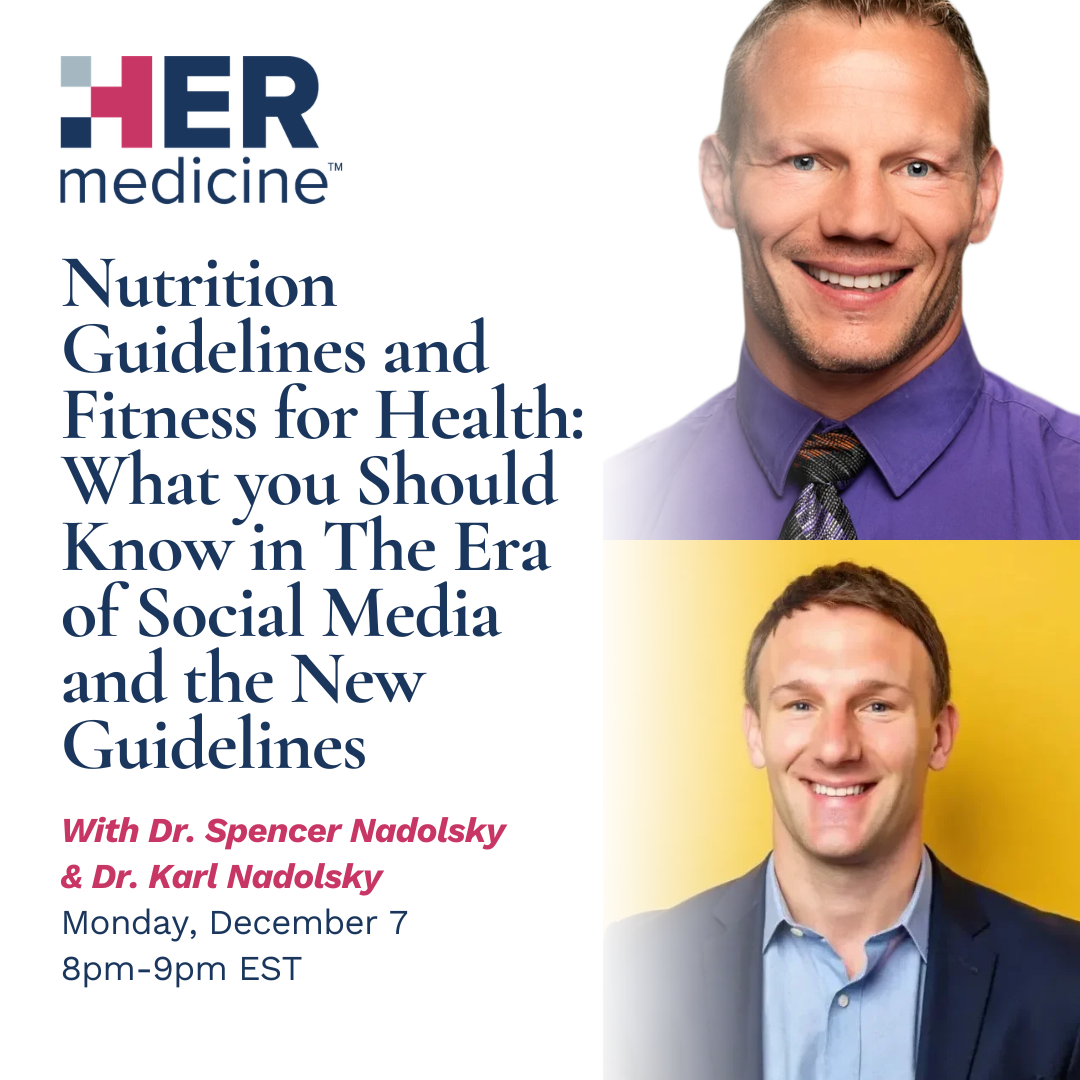
Nutrition Guidelines and Fitness for Health: What you Should Know in The Era of Social Media and the New Guidelines - Karl Nadolsky, DO, FACE, DABOM & Spencer Nadolsky, DO, DABOM
Nutrition and fitness guidelines are evolving, and the gap between what the evidence supports and what circulates on social media has never been wider or more consequential for clinical practice. Drs. Karl and Spencer Nadolsky, brothers who co-host the Docs Who Lift podcast, bring complementary expertise in endocrinology, obesity medicine, and digital health to a review of protein targets, resistance training recommendations, and updated dietary guidance, equipping clinicians to cut through the noise for their patients and themselves. Free MNDG session, December 7.
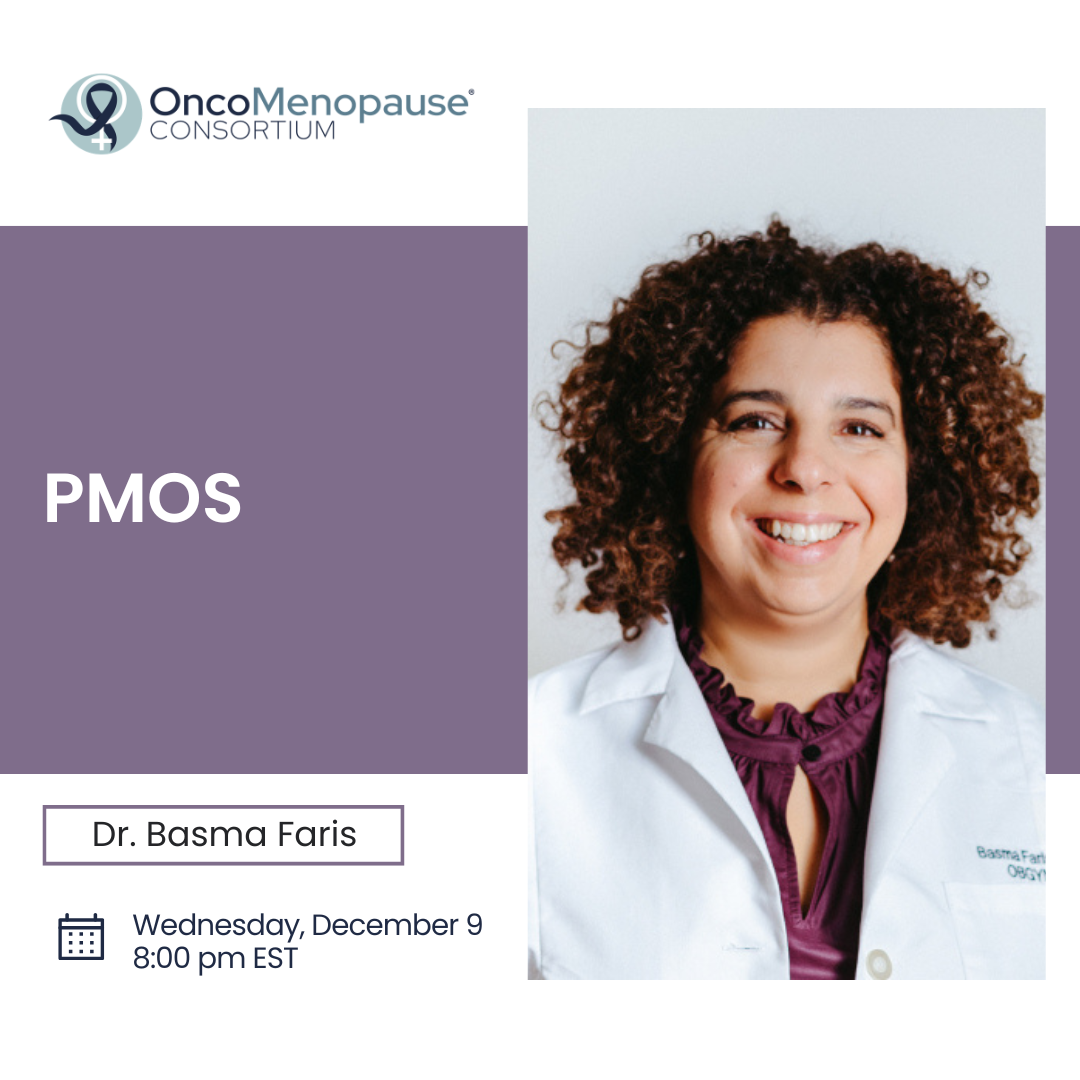
PMOS - Basma Faris, MD, MS, FACOG, CCMS
PCOS became PMOS this year, and the name change was never really about nomenclature. It was an acknowledgment that a condition affecting roughly one in ten reproductive-age patients is a lifelong cardiometabolic diagnosis, not a fertility problem with a cosmetic side. Basma Faris, MD, MS, FACOG, CCMS — Assistant Professor of Obstetrics, Gynecology and Reproductive Science at the Icahn School of Medicine at Mount Sinai, who came to medicine from clinical nutrition — joins WNDG to talk about what comprehensive PMOS care actually requires: metabolic screening, nutrition counseling that survives contact with a real patient's life, and long-term management in a system built around episodic visits. Wednesday, December 9, 8:00–9:00 PM ET.
Hereditary Cancer Risk Management - Michelle Jacobson, MD, FRCSC
Managing hereditary cancer risk requires more than a referral to genetics — it demands a clinical framework for longitudinal, multidisciplinary care across a woman's reproductive lifespan. Dr. Michelle Jacobson, Co-Director of the Familial Ovarian Cancer Clinic at Women's College Hospital in Toronto, reviews risk stratification across BRCA1/2 and other high-penetrance variants, the evidence for risk-reducing surgery and chemoprevention, surveillance strategies, and the intersection of menopause management and oncologic safety. Free MNDG session, December 14.
Beyond the Bell: Survivorship Challenges After Gynecologic Cancer. - Mercedes Castiel, MD, FRCSC, FACOG, MSCP
Dr. Mercedes Castiel walks through practical, take-home guidance for life after cancer: communicating with your care team, managing peri- and menopause symptoms, and risk-reducing strategies that fit your journey.
Thyroid Update: Post Partum Thyroditis, Hashimotos, Graves - Abid Yaqub, MD, FACP, FACE, FCPS
Thyroid disorders are among the most common endocrine conditions encountered in women's health practice, yet the nuances of postpartum thyroiditis, Hashimoto's thyroiditis, and Graves' disease are frequently misunderstood, misdiagnosed, or undertreated. Dr. Abid Yaqub, Associate Professor of Medicine at the University of Cincinnati College of Medicine, delivers an evidence-based update clarifying the distinct pathophysiology, presentation, and diagnostic approach for each condition, including monitoring during pregnancy, postpartum, and autoimmune overlap. Free MNDG session, December 21.
What Clinicians Need to Know When Caring for Survivors of Childhood Cancers - Rebecca L. Eary, DO, MPH & Melissa Erickson, MD
Adult survivors of childhood cancer represent a growing and clinically complex population — one that women's health and oncomenopause providers are increasingly likely to encounter and often feel underprepared to serve. Drs. Eary and Erickson, whose careers are built around bridging the gap between oncology and survivorship primary care, deliver a practical, evidence-informed session on what clinicians need to know when these patients walk through their door.
Complex Menopause Cases - Risa Kagan, MD, FACOG, CCD, MSCP
Managing menopause is rarely straightforward, and for patients who don't fit neatly into clinical guidelines, the decisions get harder still. Dr. Risa Kagan, a Clinical Professor at UCSF with more than four decades of clinical practice, works through complex menopause cases — cardiovascular risk factors, hormone-sensitive cancer history, refractory vasomotor symptoms, and bone health concerns — walking attendees through her clinical reasoning and practical frameworks for the gray areas guidelines can't resolve. Free MNDG session, October 12.
Obesity Medicine - What’s New - Tracy Norfleet MD, MBA, DABOM, DipABLM, FACP
Obesity medicine has shifted fast, and the headlines don't always match the clinical picture. Dr. Tracy Norfleet — a triple board-certified physician in internal medicine, obesity medicine, and lifestyle medicine — breaks down the newest medication options, what's changed in medical guidance, and how to separate genuine progress from hype. Join this free HERtalks session on October 7 at 8 PM ET for a clearer, shame-free look at where obesity care stands today.
Migraine During Perimenopause - Katherine T. Hamilton, MD
Perimenopause is one of the most clinically challenging phases of migraine management, marked by erratic estrogen fluctuations that can increase attack frequency, severity, and duration — often when treatment flexibility is limited. Dr. Katherine Hamilton, Assistant Professor of Neurology at MedStar Georgetown University Hospital, reviews the hormonal mechanisms driving these changes, evidence-based acute and preventive strategies, and the nuanced role of hormone therapy, with attention to patient selection and treatment sequencing. Free MNDG session, October 5.
OMC Monthly Case Rounds - Milana V. Dolezal, MD, MSci
OMC Monthly Case Rounds brings clinicians together once a month for a live working session on the hardest cases in oncology and menopause care — the ones where the guidelines run out and judgment has to fill the gap. Each session centers on real, de-identified patient cases contributed by the group, discussed in real time by peers who treat this population regularly. The series launches September 30 at 8:00 PM ET with Milana V. Dolezal, MD, MSci. This is a clinician-only session as part of OncoMenopause and the OncoMenopause Consortium®'s ongoing education programming, free to attend.
Adolescent Gynecology - Leslie Appiah, MD
Pediatric and adolescent gynecology sits at a unique intersection of developmental medicine, reproductive health, and patient-centered communication, requiring a skill set most non-specialist providers haven't been formally trained to deliver. Dr. Leslie Appiah, Professor and Chair of Obstetrics and Gynecology at Meharry Medical College, translates her deep clinical expertise into a practical framework covering normal pubertal development, menstrual disorders, congenital anomalies, and trauma-informed examination techniques. Free MNDG session, September 28.
Sleep at Midlife - Shelby Harris, PsyD, DBSM
Somewhere in your forties or fifties, sleep stopped being automatic. Maybe it's the 3 a.m. wakeups you can't explain, or the night sweats, or the fact that you're lying there doing math about how many hours you'll get if you fall asleep right now. Most women are told this is just what midlife looks like. Dr. Shelby Harris — a board-certified sleep psychologist and author of The Women's Guide to Overcoming Insomnia — disagrees. Join her for an hour on what perimenopause and menopause actually do to sleep, why trying harder makes it worse, what to make of melatonin and sleep trackers, and the treatment most women have never heard of. Wednesday, September 23, 8:00–9:00 PM ET, live and virtual.
Update on WISDOM - Allison Stover Fiscalini, MPH
The WISDOM Study is redefining breast cancer screening, and the latest findings are practice-changing. Allison Stover Fiscalini, MPH, Executive Director of the Athena Breast Health Network and the WISDOM Study at UCSF, reviews Phase 1 results published in JAMA in December 2025 showing risk-based screening significantly reduced advanced-stage diagnoses compared to standard annual mammography, and introduces the goals of WISDOM 2.0. Free MNDG session, September 21.
The Trust Prescription: Why Relationship Matters More Than Technology - Tara Sanft, MD
Dr. Tara Sanft, Director of the Cancer Survivorship Program at Yale Cancer Center and chair of the NCCN Survivorship Guidelines, reviews the research on patient-provider trust: why it matters, what it changes about clinical outcomes, and what the evidence says good providers actually do to earn it. Drawing on her work as Chief Patient Experience Officer at Smilow Cancer Hospital and her role directing Yale's Communication Skills Curriculum, she offers clinicians practical, evidence-based tools for building trust in the exam room — not just theory.
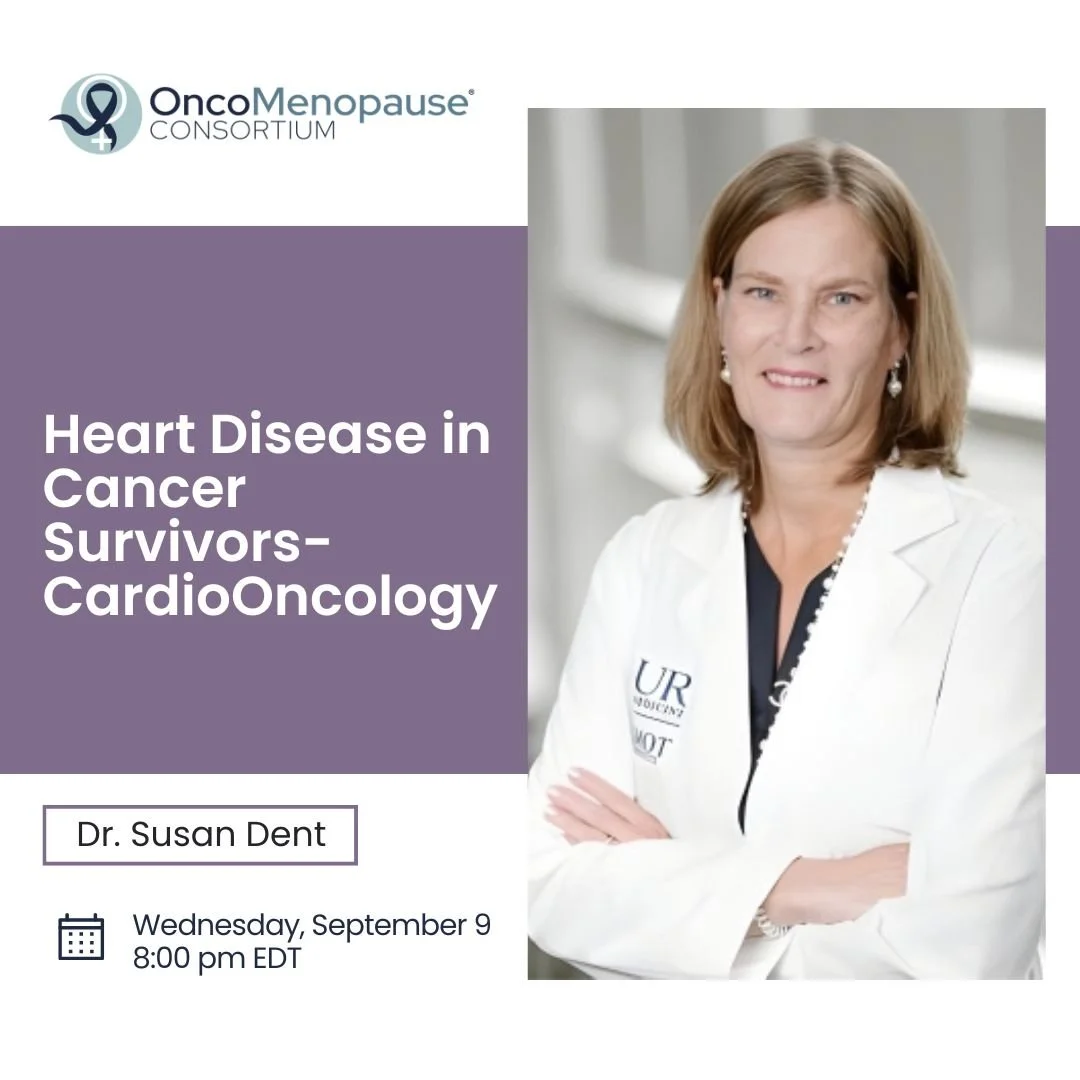
Heart Disease in Cancer Survivors - CardioOncology - Susan Dent, MD, FRCPC
An evidence-based overview of cardio-oncology, focusing on cardiovascular risk, treatment-related cardiotoxicity, and long-term heart health in cancer survivors.
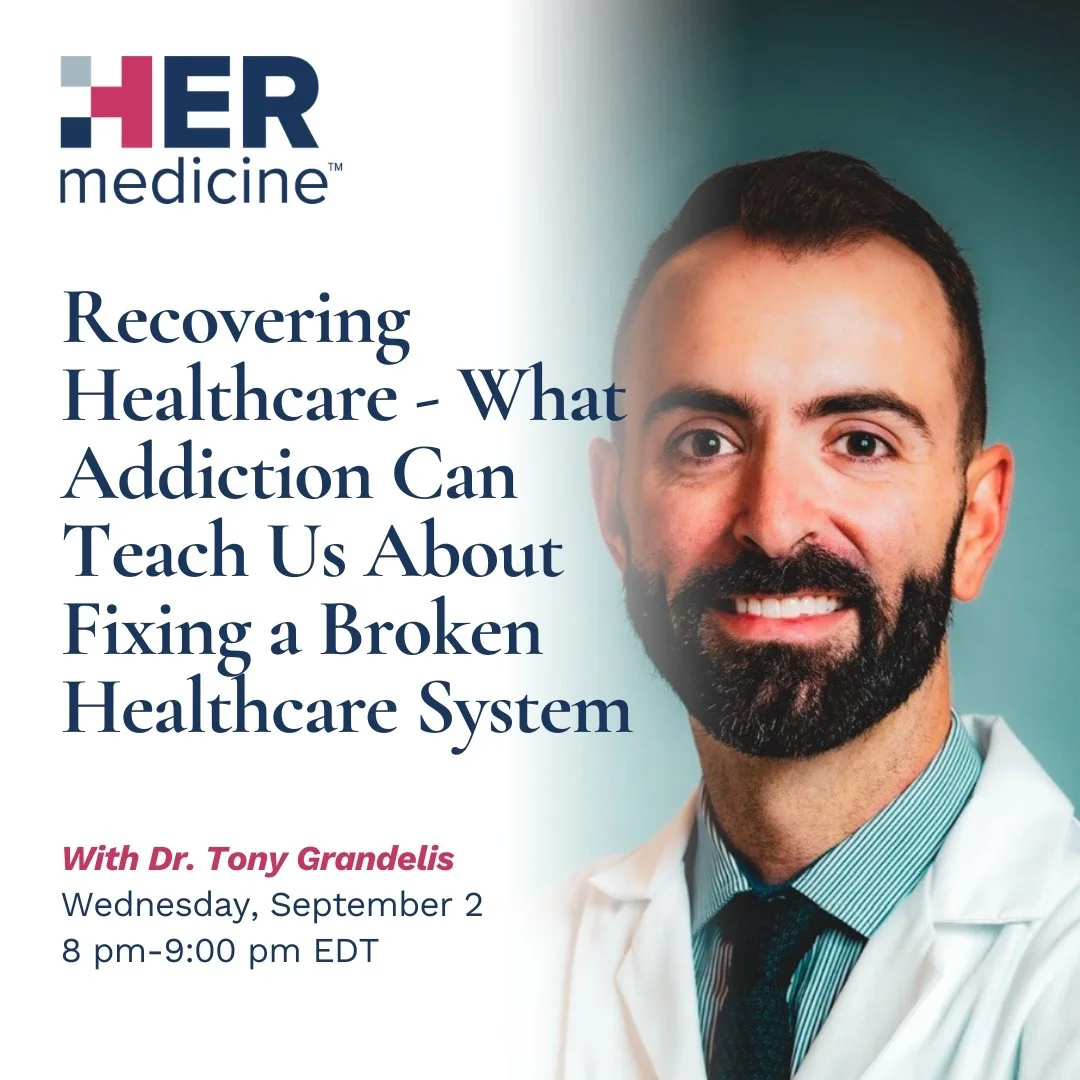
Recovering Healthcare - What Addiction Can Teach Us About Fixing a Broken Healthcare System - Tony Grandelis, MD
Dr. Tony Grandelis, an OBGYN hospitalist and physician in recovery from addiction, explores how honesty, community, integrity, and whole-person care can reshape a healthcare system that too often feels fragmented and impersonal.
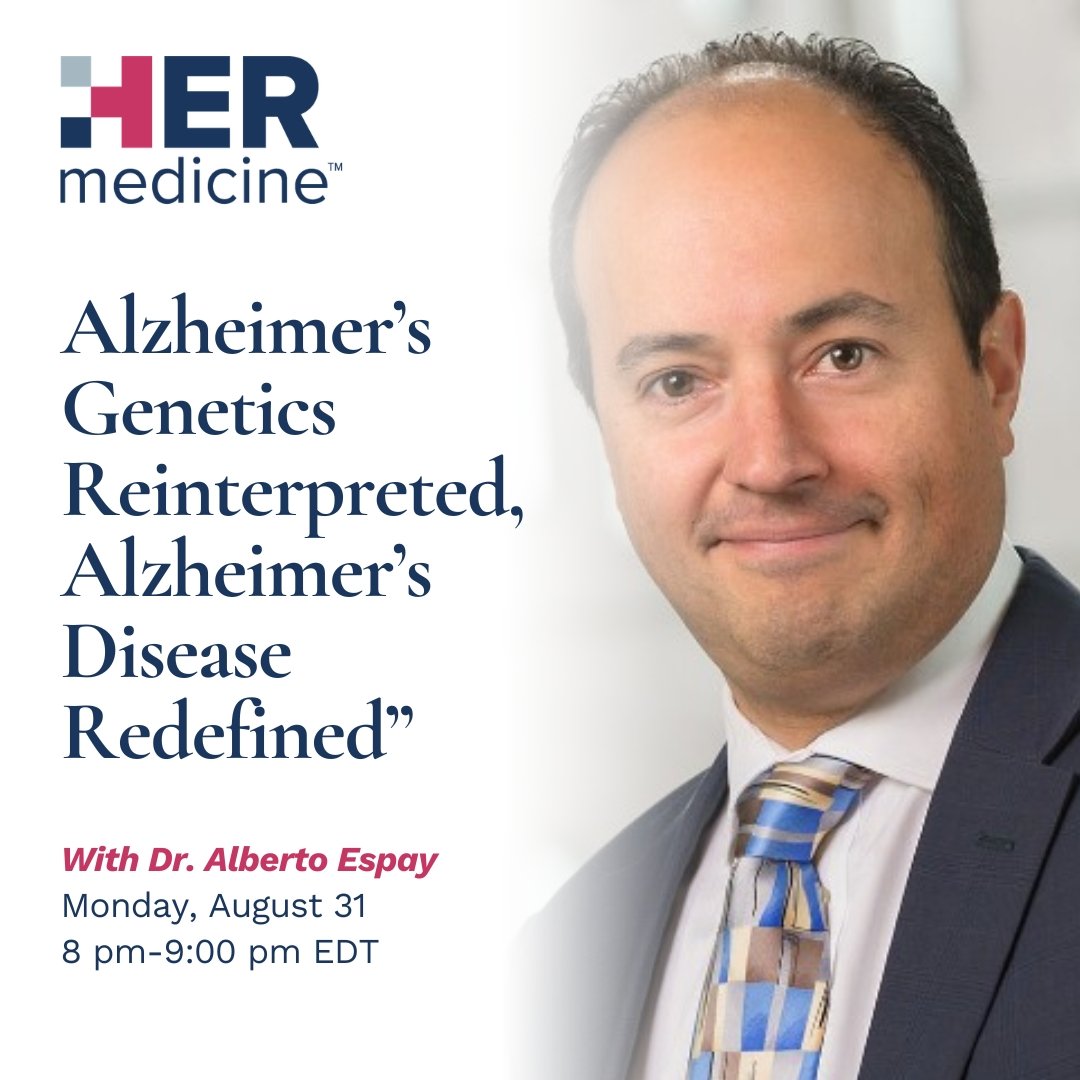
Alzheimer’s Genetics Reinterpreted, Alzheimer’s Disease Redefined - Alberto Espay, MD, MSc, FAAN, FANA
Emerging genetic insights are challenging traditional frameworks for understanding Alzheimer's disease, prompting a reevaluation of its pathophysiology, diagnosis, and classification. Dr. Alberto Espay, Professor and Endowed Chair at the University of Cincinnati and author of over 400 peer-reviewed articles, examines the evolving role of genetic risk and the implications for diagnostic accuracy, patient counseling, and future therapeutic approaches. Free MNDG session, August 31.
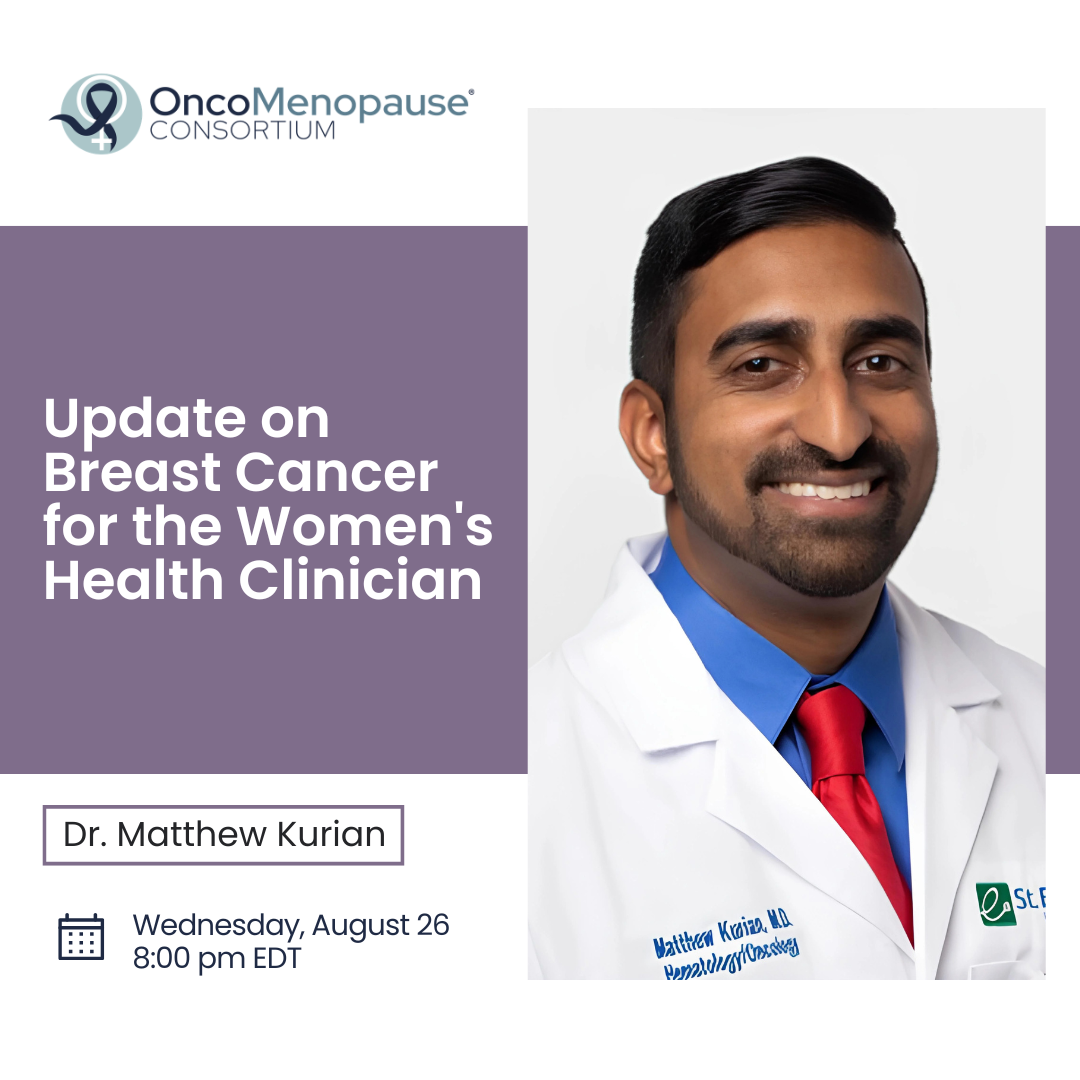
Update on Breast Cancer for the Women's Health Clinician - Matthew Kurian, MD
Breast cancer care moves faster than most women's health clinicians can track alongside a full panel, and the questions land in your office regardless — from the patient weighing a treatment decision, the survivor asking what her surveillance should look like, and the woman with a family history who wants to know what her risk actually is. Matthew Kurian, MD — medical oncologist at St. Elizabeth Healthcare and Assistant Professor of Medicine at the University of Kentucky College of Medicine, with a clinical focus in breast and genitourinary malignancies — joins WNDG for an update built for the clinician who isn't an oncologist but is often the first call. Wednesday, August 26, 8:00–9:00 PM ET.
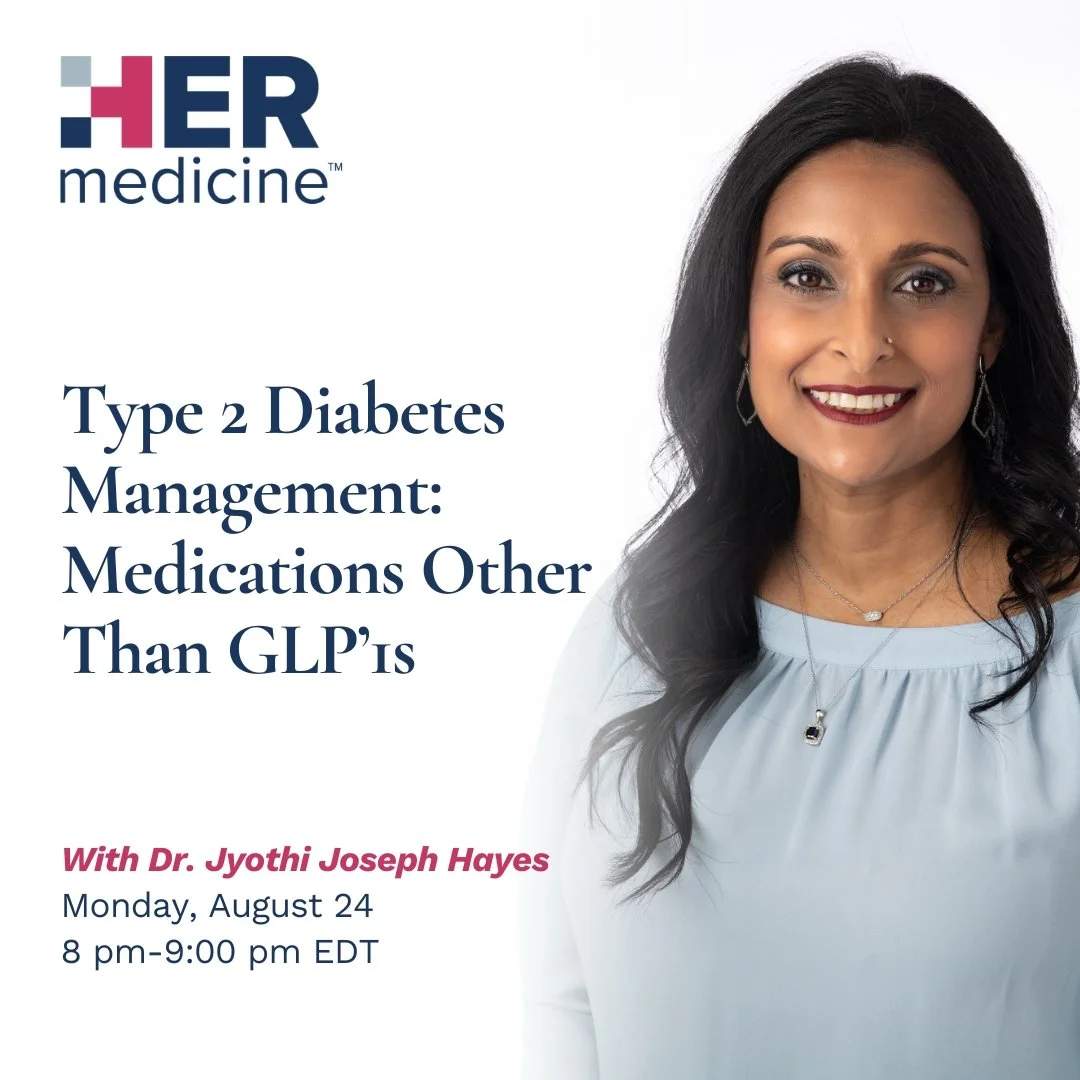
Type 2 Diabetes Management: Medications Other Than GLP’1s - Jyothi Joseph-Hayes, MD
GLP-1 receptor agonists have dominated the diabetes management conversation, but they aren't the right fit for every patient. Dr. Jyothi Joseph-Hayes, an endocrinologist with over 15 years of experience, reviews the full landscape of Type 2 diabetes medications beyond GLP-1s — mechanisms, benefits, risks, and clinical considerations for each class — with a focus on individualized treatment decisions for women at midlife and beyond. Free MNDG session, August 24.
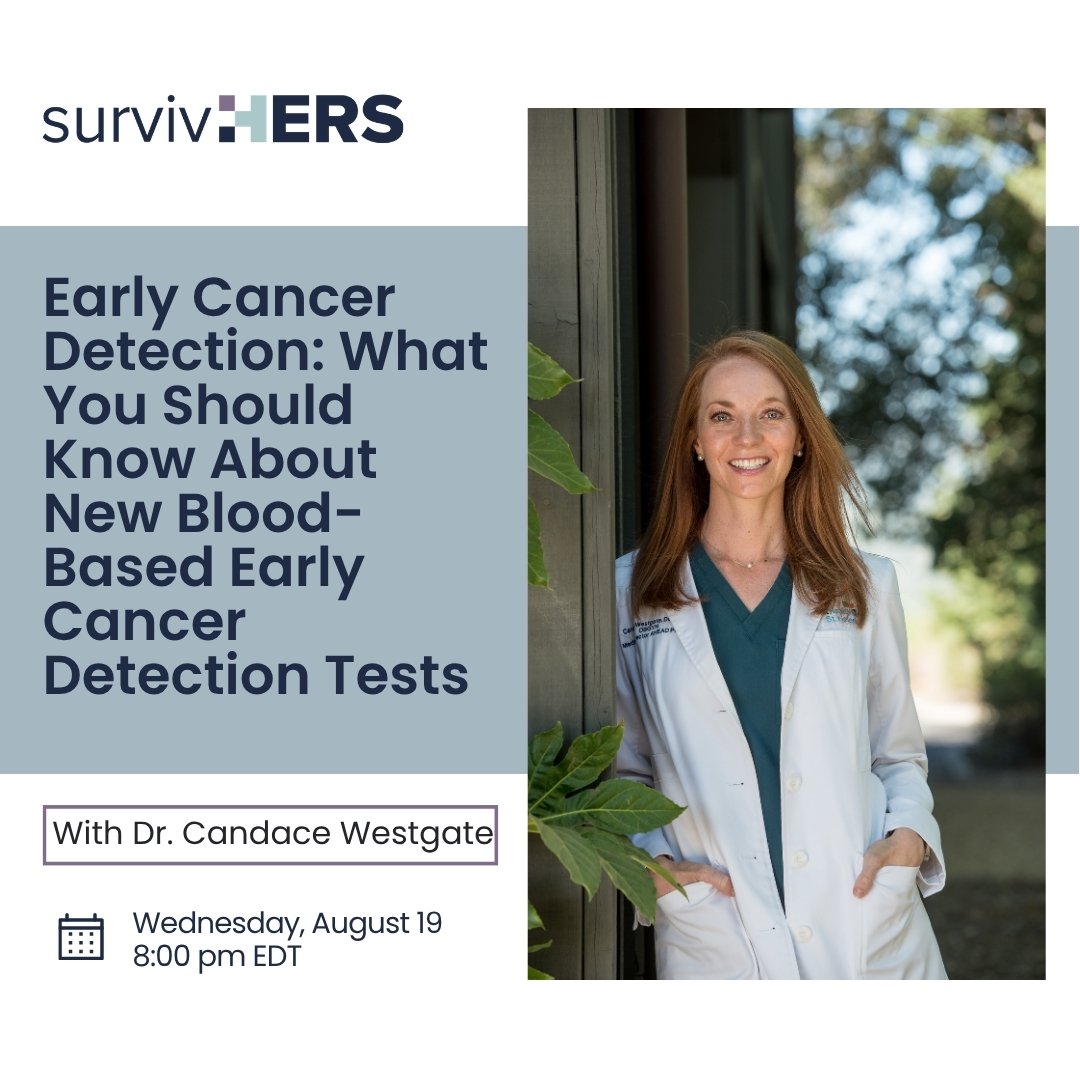
Early Cancer Detection: What You Should Know About New Blood-Based Early Cancer Detection Tests - Candace Westgate, DO, MPH, FACOG, MSCP
Multi-cancer early detection tests are changing what proactive health looks like for survivors and high-risk women. Dr. Candace Westgate breaks down how these blood-based tests work, what they can and can't tell you, and who they're designed for.
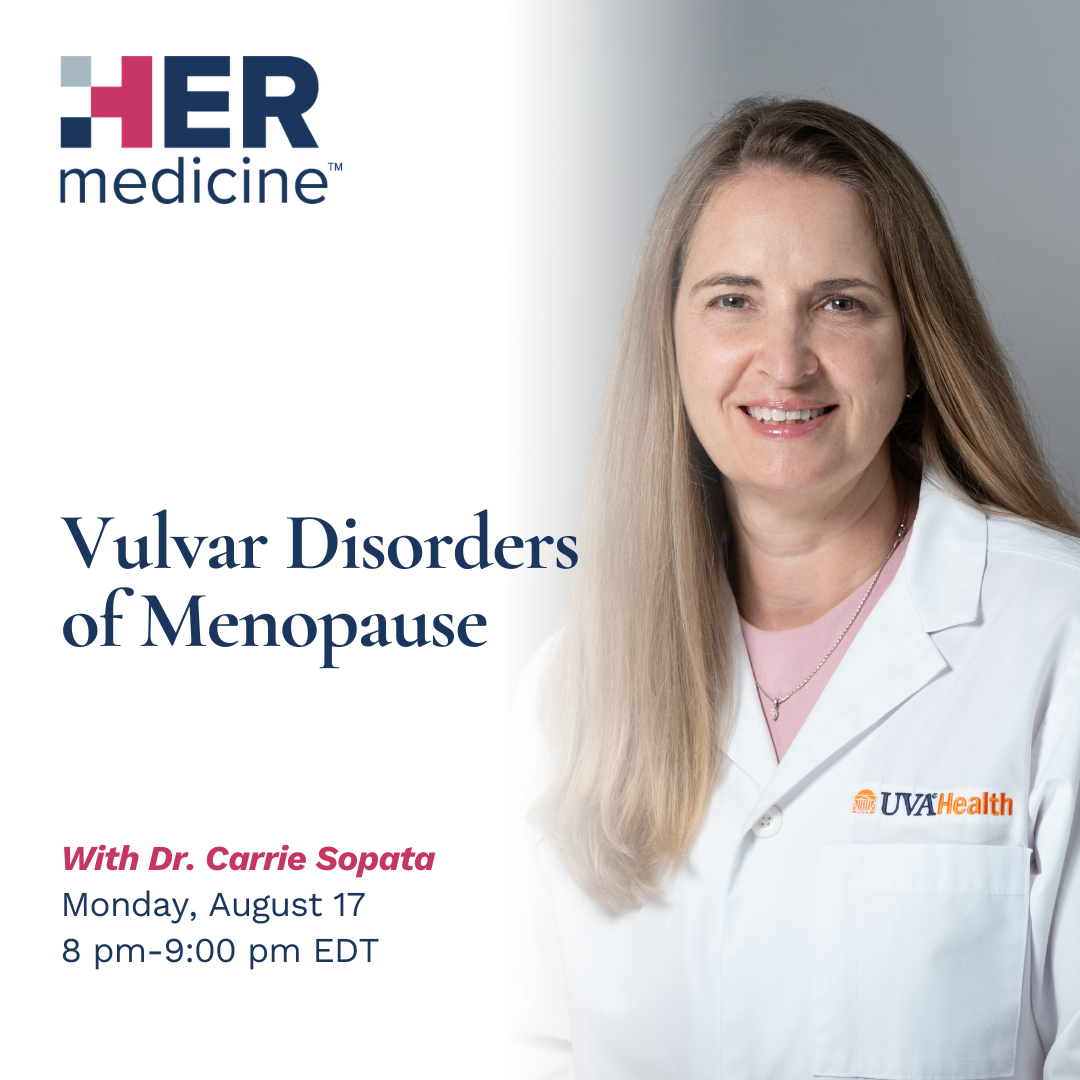
Aug Vulvar Disorders of Menopause, Carrie Sopata, MD, MPH
Vulvar disorders of menopause span a wide differential — from atrophic changes to lichen sclerosus and other dermatologic conditions — and are frequently misdiagnosed or dismissed as routine atrophy. Dr. Carrie Sopata, who directs UVA's multidisciplinary vulvar dermatology clinic, reviews the diagnostic approach to vulvar complaints in menopausal patients, including exam findings, when biopsy is indicated, and current treatment options. This MNDG session is free to attend.
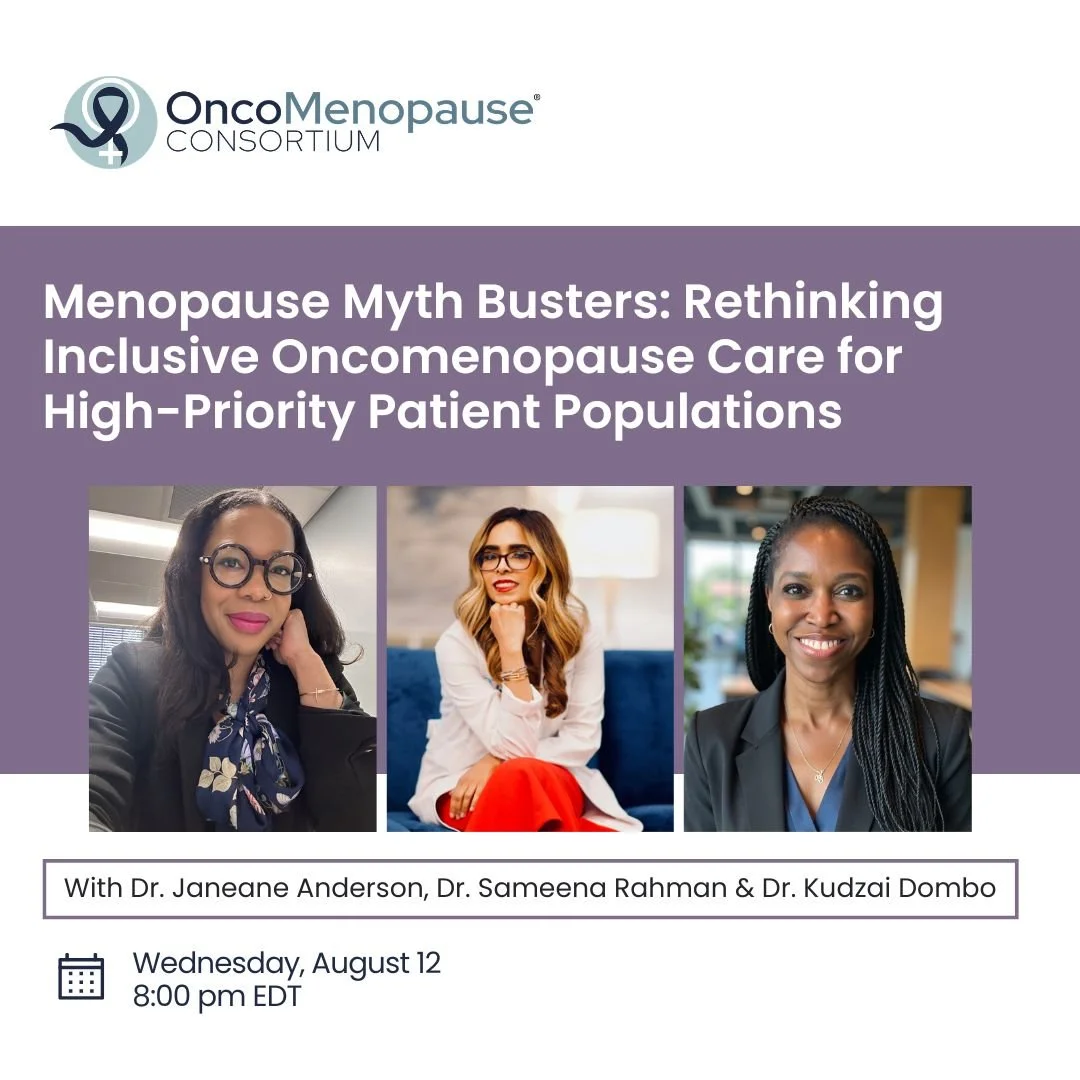
Menopause Myth Busters: Rethinking Inclusive Oncomenopause Care for High-Priority Patient Populations - Dr. Janeane Anderson, Dr. Sameena Rahman & Dr. Kudzai Dombo
Advanced breast cancer outcomes, vulvovaginal disease, and menopause care all show the same disparity pattern. Anderson, Rahman, and Dombo trace where shared decision-making breaks down first for high-priority patient populations.
As the Menoverse Expands: When Does Perimenopause Begin and How Can We Help? - Marcie Richardson, MD, FACOG
As menopause gets more attention everywhere, the question of when perimenopause actually begins deserves a closer look. Dr. Marcie Richardson — a longtime NAMS board member and menopause consultant with over 25 years of clinical experience — reviews current evidence on earlier symptom onset, common diagnostic challenges, and practical strategies for supporting patients through this often-overlooked stage. Free MNDG session, August 10.
Breast Cancer Risk Assessment and Prevention - Dr. Lisa Larkin, MD, FACP, MSCP, IF
Breast cancer risk isn't one-size-fits-all, and knowing your personal risk factors can change how you approach prevention and screening. Dr. Lisa Larkin — a nationally recognized women's health leader and breast cancer survivor — breaks down what influences risk, which screening and genetic testing tools are available, and how to build a personalized prevention plan. Join this free HERtalks session on August 5 at 8 PM ET to walk away with real questions for your own doctor.
Pain with Sex - Jen Gunter, MD, FRCS(C), FACOG, DABPM, ABPMR
Pain with sex remains one of the most common yet underaddressed concerns in women's health, and most clinicians lack a confident framework for evaluating it. Dr. Jen Gunter — OB/GYN, pain medicine physician, and author of The Vagina Bible and The Menopause Manifesto — reviews the differential diagnosis across the midlife spectrum, from GSM and vulvodynia to pelvic floor dysfunction, and the treatment options that actually work. Free MNDG session, August 3.
Approach to First-Line Migraine Prevention Redefined - Qulipta - Hope O’Brien, MD, MBA, FAAN, FAHS
Migraine preventive therapy has followed a predictable order for years: oral agents first, CGRP-targeted therapies reserved for treatment failures. Dr. Hope O'Brien, founder of the Headache Center of Hope, reviews the evidence testing that hierarchy and where updated guidance is changing first-line decisions. Free MNDG session, July 27.
Managing Treatment-Induced Menopause in Gynecologic Oncology: Hormonal and Non-Hormonal Approaches - Tiffany Troso-Sandoval, MD
A clinical review of hormonal and non-hormonal approaches to managing treatment-induced menopause in gynecologic oncology, with practical guidance for survivorship care.
Managing Treatment-Induced Menopause in Gynecologic Oncology: Hormonal and Non-Hormonal Approaches - Tiffany Troso-Sandoval, MD
A clinical review of hormonal and non-hormonal approaches to managing treatment-induced menopause in gynecologic oncology, with practical guidance for survivorship care.
Contraception and Breast Cancer Risk - Abigail Liberty, MD, MSPH
For patients with elevated breast cancer risk or a prior diagnosis, contraceptive counseling requires a level of clinical nuance most providers haven't been formally trained to deliver. Dr. Abigail Liberty, whose research sits squarely at the intersection of contraception and breast biology, reviews what the evidence actually shows about hormonal contraceptive risk across patient profiles — and how to translate that evidence into individualized, patient-centered recommendations.
Contraception and Breast Cancer Risk - Abigail Liberty, MD, MSPH
For patients with elevated breast cancer risk or a prior diagnosis, contraceptive counseling requires a level of clinical nuance most providers haven't been formally trained to deliver. Dr. Abigail Liberty, whose research sits squarely at the intersection of contraception and breast biology, reviews what the evidence actually shows about hormonal contraceptive risk across patient profiles — and how to translate that evidence into individualized, patient-centered recommendations.
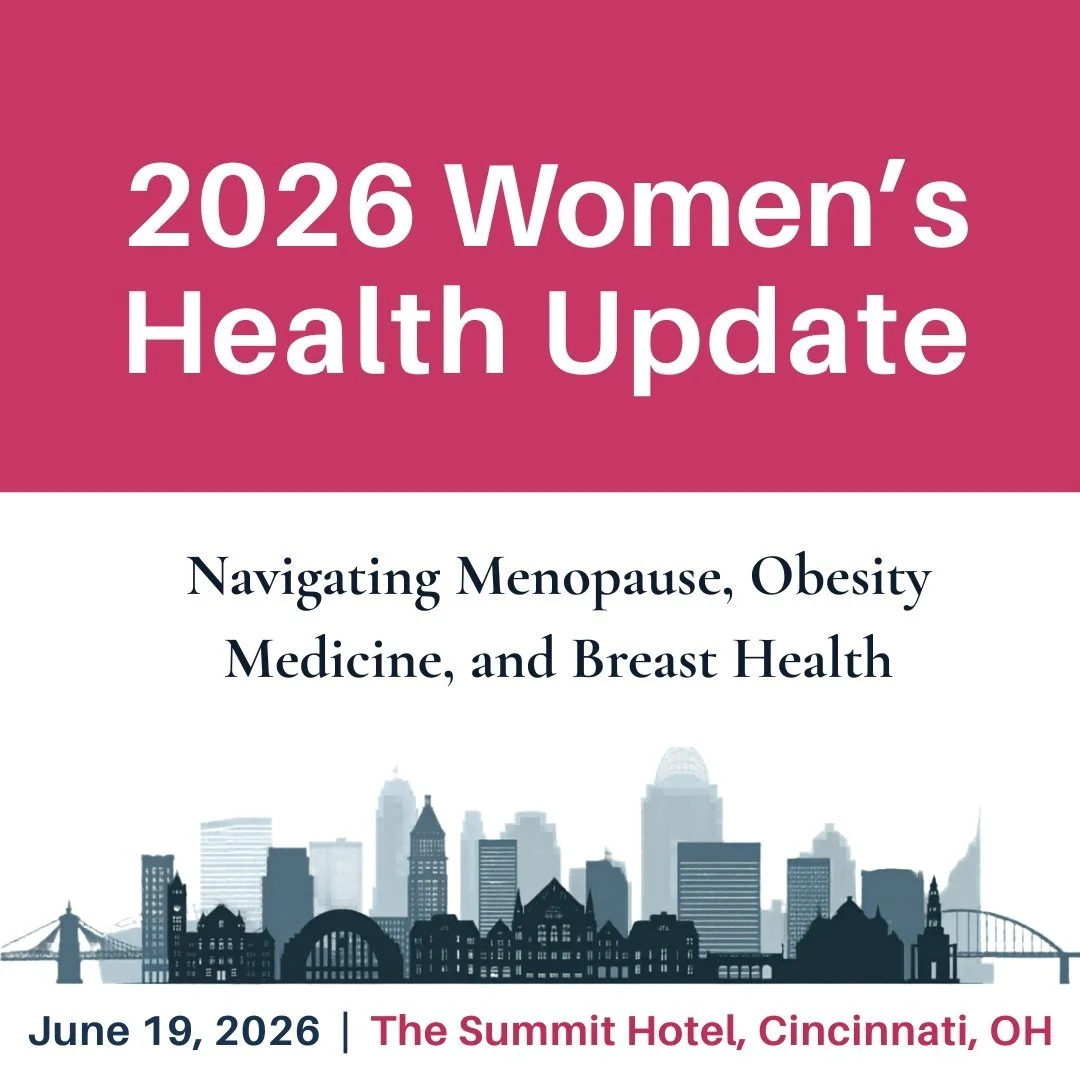
2026 Women's Health Update
A one-day, in-person CME covering menopause management, MHT prescribing, GLP-1 therapies, cardiometabolic risk, and breast cancer screening — led by nationally recognized women's health faculty. 7 AMA PRA Category 1 Credits™. June 19, 2026, Cincinnati, OH.
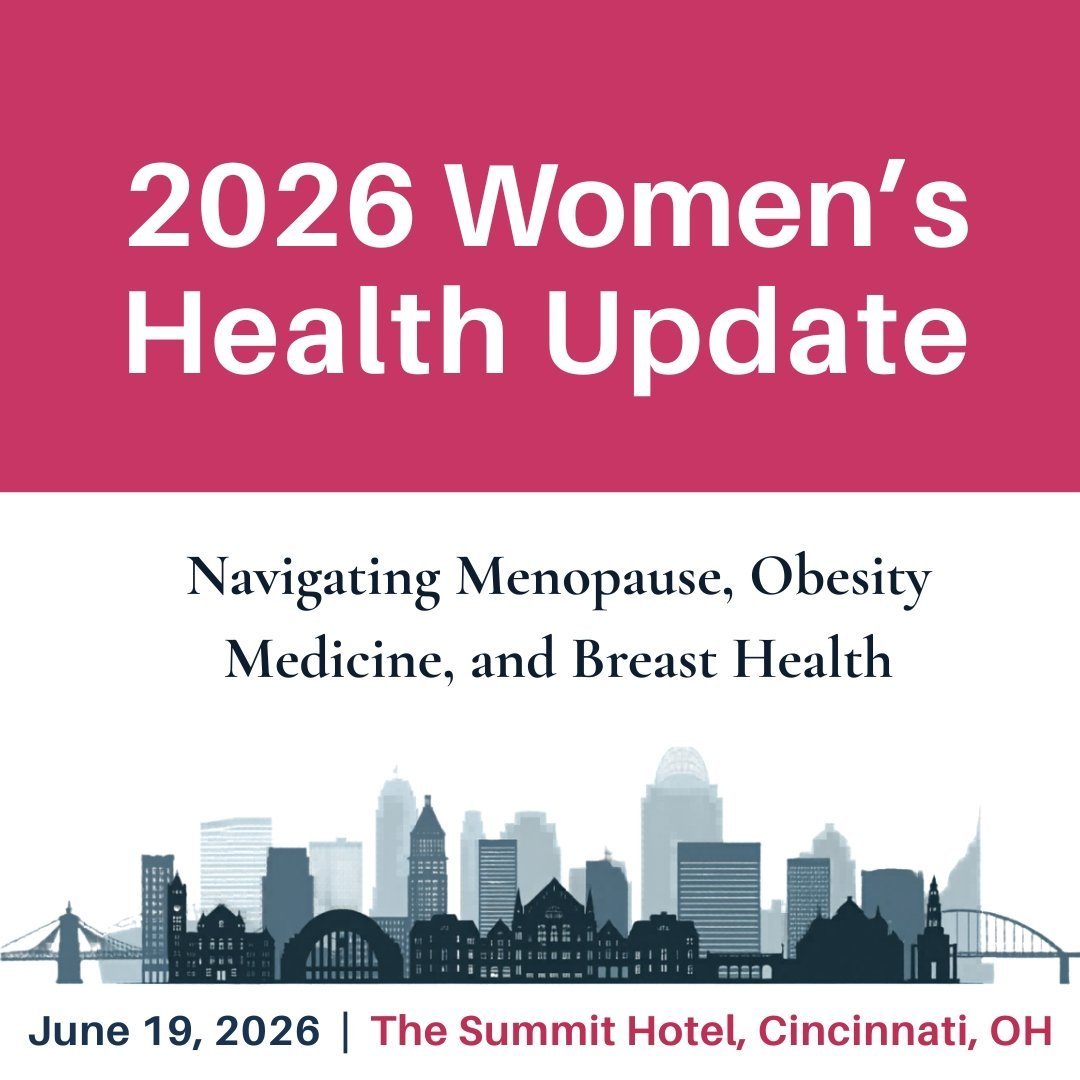
2026 Women's Health Update
A one-day, in-person CME covering menopause management, MHT prescribing, GLP-1 therapies, cardiometabolic risk, and breast cancer screening — led by nationally recognized women's health faculty. 7 AMA PRA Category 1 Credits™. June 19, 2026, Cincinnati, OH.
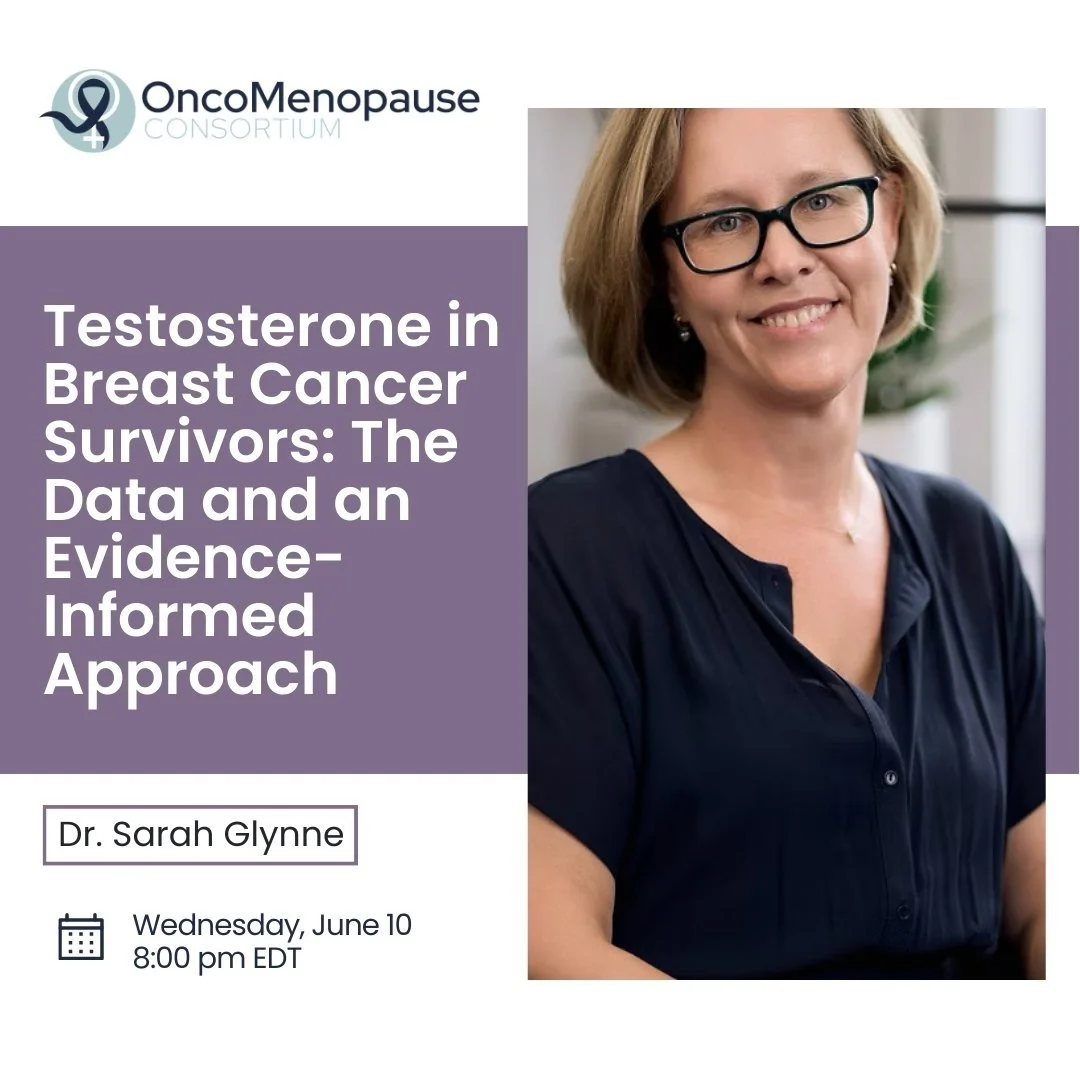
Testosterone in Breast Cancer Survivors: The Data and an Evidence-Informed Approach - Sarah Glynne, MBBS, MRCOG
A menopause-specialist review of testosterone therapy in breast cancer survivors, with practical guidance for individualized risk assessment and symptom management.
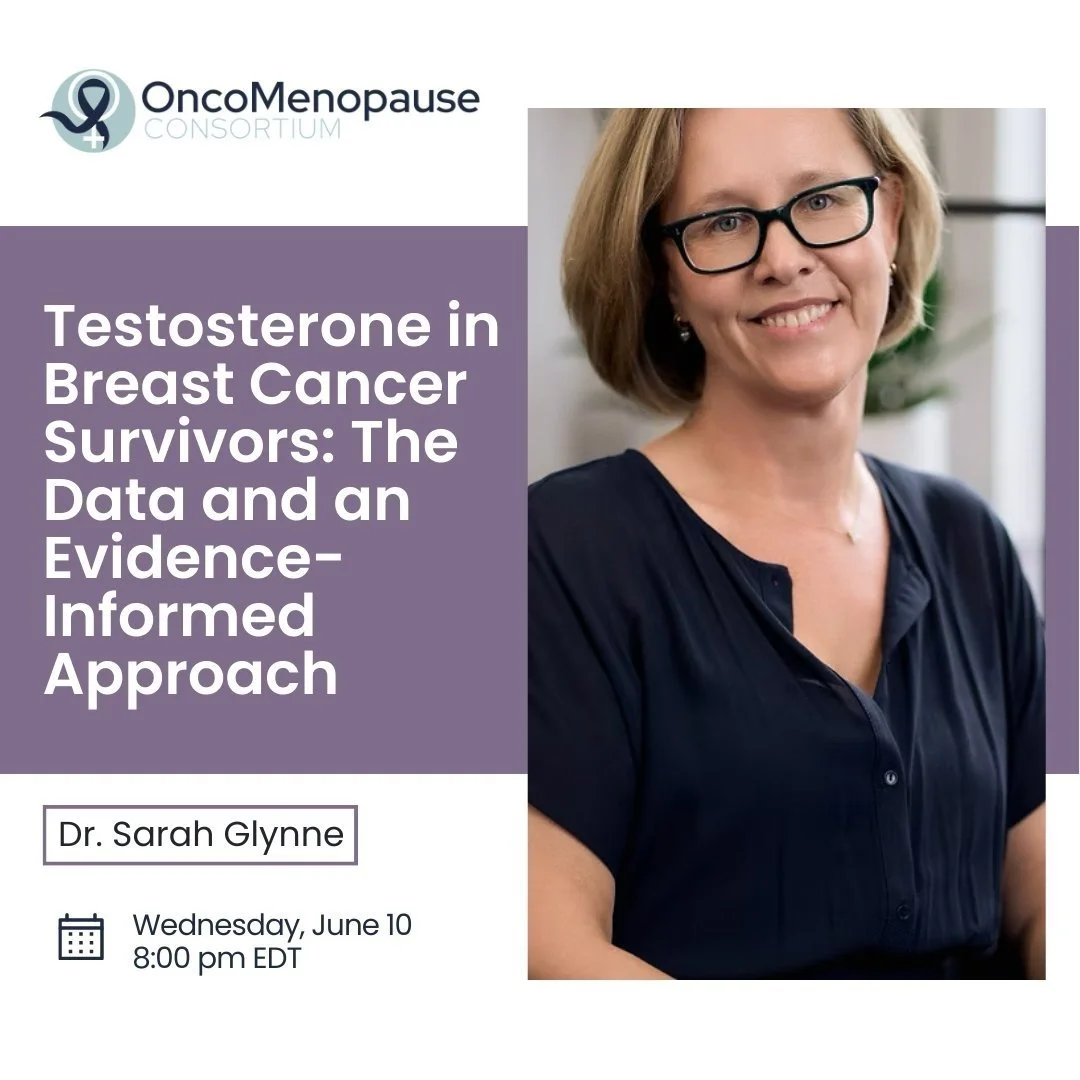
Testosterone in Breast Cancer Survivors: The Data and an Evidence-Informed Approach - Sarah Glynne, MBBS, MRCOG
A menopause-specialist review of testosterone therapy in breast cancer survivors, with practical guidance for individualized risk assessment and symptom management.
MHT in BRCA Carriers – What it Means for Women at High-Risk of Breast Cancer - Joanne Kotsopoulos, PhD
BRCA carriers face unique and often misunderstood risks when it comes to menopausal hormone therapy — and blanket avoidance can cause real harm. Dr. Joanne Kotsopoulos presents the current evidence on MHT safety in BRCA1 and BRCA2 carriers and provides clinicians with a practical framework for individualized decision-making.